

Our Global export market
We provide our services all over the world. Where we can serve you ?
Contact Us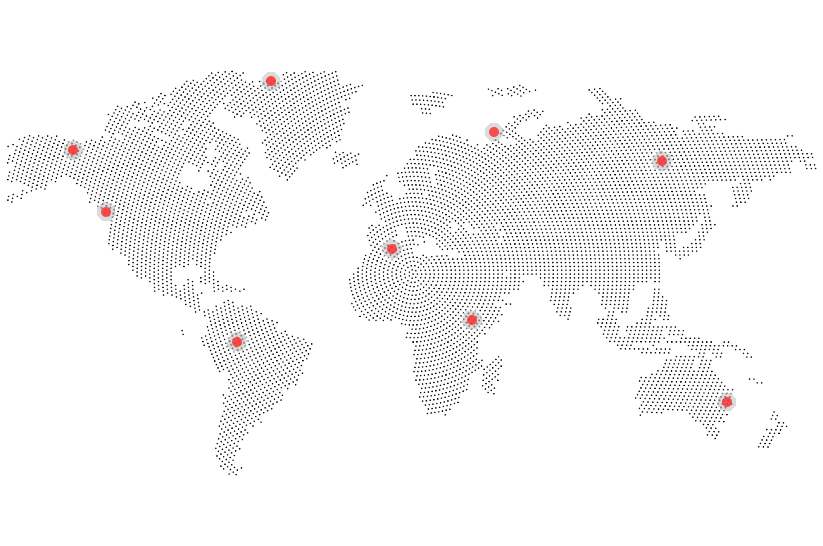
27 February 2026
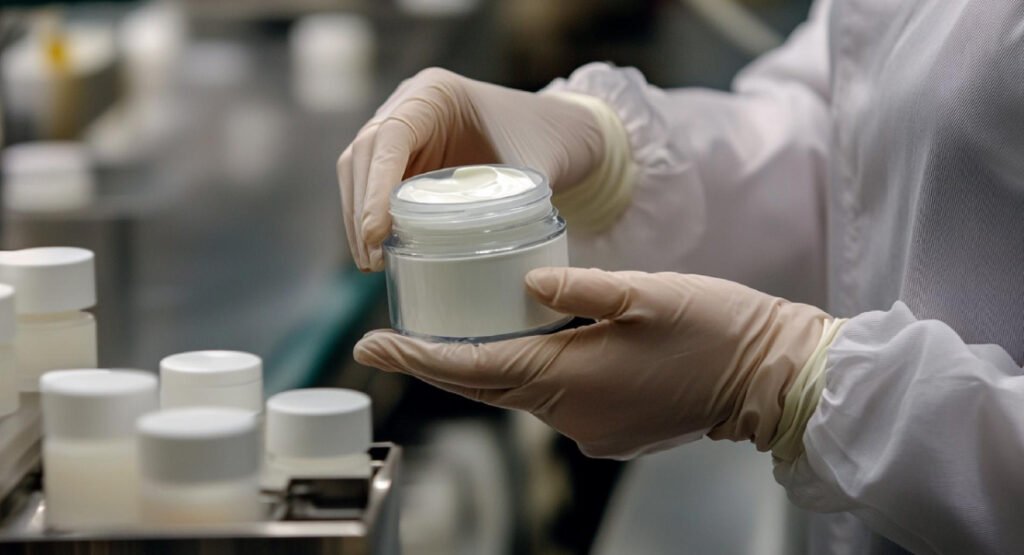
The global beauty industry is no longer driven only by Paris, Seoul, or Los Angeles. Over the last decade, Dubai has quietly positioned itself as a serious manufacturing and distribution hub for international beauty brands. What began as a regional trade center has evolved into a strategic base for brands that want speed, regulatory reliability, and access to global markets. If you are exploring cosmetics manufacturing options, this guide will help you understand why Dubai and the wider UAE have become attractive to emerging and established beauty brands alike. We will break down regulatory strength, supply chain advantages, private label ecosystems, export leverage, and what decision makers should realistically evaluate before partnering with a cosmetics wholeseller in dubai Ashwani LLC or any UAE-based producer.
Dubai’s role in global trade has always been central to its economic strategy. What is different now is the sophistication of its manufacturing capabilities.
Cosmetics manufacturing in the UAE is no longer limited to repackaging or simple formulation. Today, many producers offer full-scale product development, regulatory compliance support, branding guidance, and scalable production lines that meet international standards.
Three structural factors explain this shift:
Dubai did not become a beauty manufacturing hub by accident. It was built intentionally around compliance, efficiency, and export readiness.
One of the biggest concerns for beauty brands is product compliance. Cosmetics are directly applied to the skin, and regulatory mistakes can damage reputation instantly.
The UAE enforces cosmetic product registration and safety standards through structured regulatory bodies. Products must be registered before market entry, ingredient lists are scrutinized, and labeling compliance is strictly monitored.
For international brands, this creates confidence.
Instead of operating in loosely regulated environments, brands manufacturing in Dubai benefit from:
From a risk management perspective, this reduces legal exposure when exporting to other regulated markets.
Brands selling in Europe, GCC, Africa, or Asia often need documented manufacturing standards. A UAE production base simplifies this because:
For a founder launching a skincare line, or a multinational expanding distribution, this regulatory maturity lowers long term risk.
Location is one of Dubai’s most underrated competitive advantages in cosmetics manufacturing.
The UAE sits at a geographic crossroads:
For beauty brands, this translates into operational flexibility.
Manufacturing in Dubai allows brands to:
In practice, this means shorter lead times and improved inventory turnover.
For seasonal product launches such as Ramadan gift sets or summer SPF collections, speed is critical. A well connected production base can make the difference between meeting demand and missing it.
Another reason brands choose Dubai is the maturity of its private label ecosystem.
Many manufacturers now offer:
This is especially attractive to startups and influencer led brands that want to test product market fit without committing to massive production volumes.
In our experience analyzing beauty supply chains, the most common failure in new cosmetic brands is not poor marketing. It is formulation inconsistency and supplier instability.
Dubai based producers often position themselves as long term partners rather than transactional suppliers. This includes assisting brands with:
That level of collaboration reduces operational friction.
Cosmetic buyers are becoming more informed. They ask about:
Dubai manufacturers increasingly operate under internationally recognized quality systems.
This matters because:
When a cosmetics wholeseller in dubai Ashwani LLC or similar distributor works with certified manufacturers, downstream buyers benefit from stronger documentation and smoother onboarding with retailers.
It is important to be realistic. Dubai is not always the cheapest manufacturing option compared to some Asian markets.
However, price alone is rarely the best decision metric in cosmetics manufacturing.
When evaluating production in Dubai, consider this four layer framework:
A slightly higher per unit cost may be offset by:
For premium and mid market beauty brands, these factors often outweigh pure cost comparisons.
The Middle East and North Africa region represents one of the fastest growing beauty markets globally. Consumer demand for skincare, halal cosmetics, fragrance, and luxury beauty products continues to rise.
Manufacturing in Dubai provides:
Brands targeting GCC consumers gain strategic proximity to their audience.
At the same time, Dubai remains export focused, allowing producers to serve Europe, Africa, and Asia without being regionally limited.
No manufacturing base is perfect. Brands should evaluate:
It is also important to verify that the manufacturer’s documentation aligns with your intended export markets.
A responsible cosmetics manufacturing partnership should include:
Due diligence protects long term brand equity.
Here are five observations rarely discussed openly:
These strategic nuances often influence long term success more than short term manufacturing cost.
You may consider internally linking to:
Anchor text ideas could include “private label cosmetics guide,” “UAE cosmetic regulations,” or “beauty product distribution strategy.”
Dubai has evolved from a trade hub into a credible, strategically positioned center for cosmetics manufacturing. For global beauty brands, the appeal lies not only in production capacity but in regulatory reliability, logistics efficiency, and export readiness. Choosing a manufacturing base is a strategic decision that affects brand trust, operational stability, and long term scalability. Dubai offers a balanced ecosystem where compliance, distribution, and regional insight converge.
Before making a final decision, evaluate not just cost per unit but regulatory strength, speed to market, documentation quality, and partnership stability. When assessed through this broader lens, it becomes clear why many global beauty brands increasingly look to UAE producers as part of their long term growth strategy.
Yes, many manufacturers offer flexible production volumes. However, startups should clarify minimum order quantities and formulation ownership before committing. Dubai is particularly attractive for brands targeting GCC markets or planning international exports.
The UAE enforces structured cosmetic registration and labeling requirements. While not identical to EU regulations, the system is organized and compliance focused. Brands benefit from clear documentation standards and regulated ingredient oversight.
Asian markets may offer lower unit costs, but Dubai provides faster regional distribution, strong regulatory alignment, and logistical advantages. The choice depends on brand positioning, export goals, and risk tolerance.
Yes, many offer custom formulation, stability testing, and packaging sourcing. It is important to confirm intellectual property rights and whether formulations are exclusive or shared.
Look for GMP compliance, documented quality control systems, ingredient traceability records, and export documentation capabilities. Certification verification should always be part of your supplier evaluation.
