


Our Global export market
We provide our services all over the world. Where we can serve you ?
Contact Us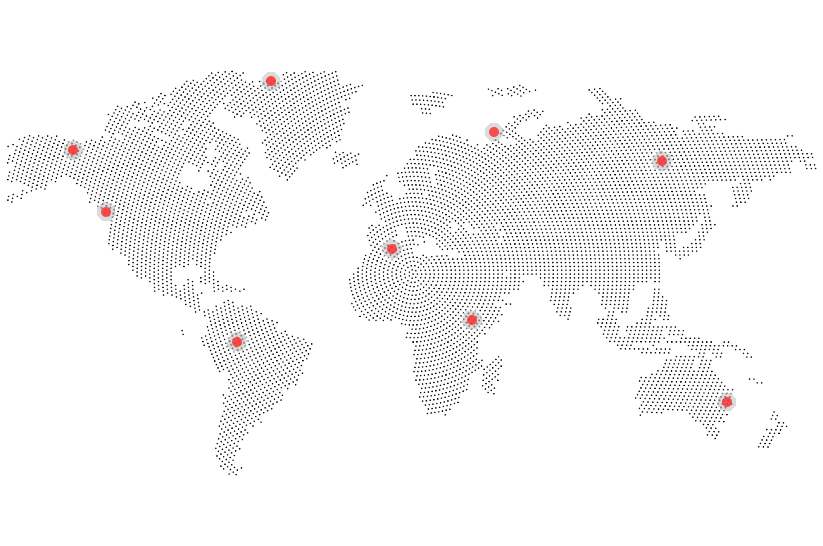
17 April 2026
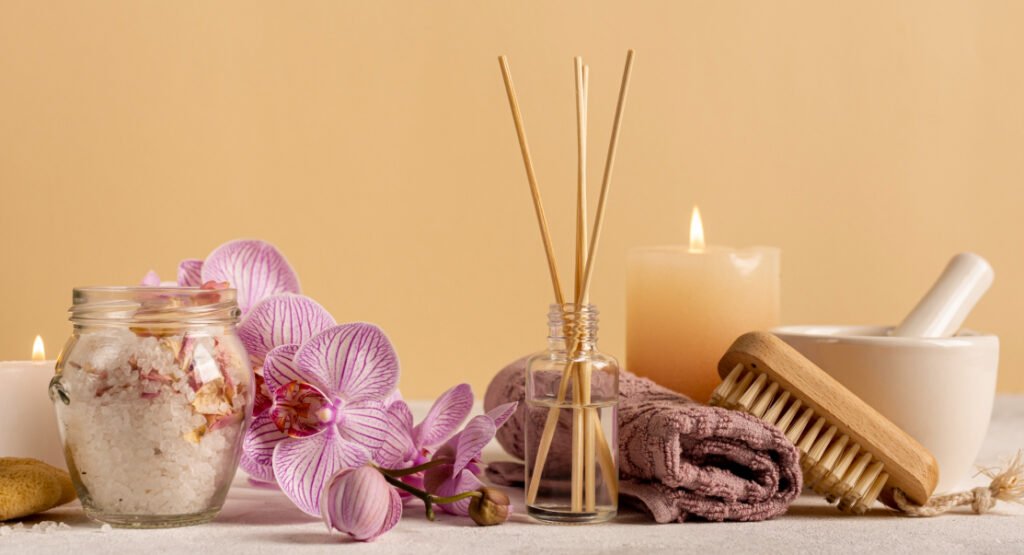
Most people searching for a home fragrance manufacturer in Dubai assume the process is straightforward: pick a scent, print a label, and start selling. The reality is far more layered. Dubai’s fragrance industry sits at the intersection of centuries-old Arabic perfumery traditions and highly technical modern manufacturing, and if you don’t understand how that intersection works, you risk choosing the wrong supplier, sourcing the wrong ingredients, or launching a product that has no real identity in the market. This blog breaks down exactly how home fragrance manufacturing works in Dubai, from the raw materials like oud and bakhoor to the formulation of contemporary reed diffusers and room sprays. You will learn what separates a credible home fragrance supplier in Dubai from a generic one, what the manufacturing process actually looks like, and how to make smart sourcing decisions whether you are a brand builder, a retailer, or an importer looking to tap into the home fragrance in UAE market.
Dubai’s rise as a fragrance manufacturing center is not accidental. It reflects a strategic convergence of geography, trade infrastructure, cultural demand, and ingredient access that very few cities in the world can replicate. Understanding this context helps buyers and brand builders make more informed decisions about where to source and why Dubai specifically offers advantages that go beyond just cost.
Fragrance in the Arab world is not a lifestyle accessory. It is woven into daily life, hospitality customs, religious practice, and social identity. In the UAE, burning bakhoor before guests arrive, applying oud-based attars before Friday prayers, and scenting homes with bukhoor diffusers are all established cultural rituals that predate modern retail by centuries. This deep-rooted demand means the UAE market is not trend-dependent. It is a sustained, year-round, high-volume market that manufacturers must continually serve at a high standard. For anyone looking to build a home fragrance brand, this cultural foundation creates a reliable consumer base with strong purchase intent.
Dubai functions as a free trade corridor connecting South Asia, Southeast Asia, East Africa, and Europe. This means manufacturers based in or operating through Dubai have access to raw materials from multiple origin points without prohibitive import duties. Oud resin can be sourced from Cambodia, Indonesia, and India. Rose water and floral absolutes come from Taif in Saudi Arabia or Bulgaria. Sandalwood arrives from Australia or India. This multi-origin sourcing capability allows manufacturers to blend traditional and modern ingredients in ways that are harder to achieve from a single-origin manufacturing base. The Jebel Ali Free Zone and Dubai’s broader logistics ecosystem also make export processes significantly faster compared to manufacturers operating from landlocked or port-restricted regions.
The global home fragrance market has seen a sharp rise in demand for Middle Eastern scents over the past decade. Oud, amber, musk, and incense-forward fragrances have moved from niche to mainstream in Western markets, appearing on shelves at major luxury retailers, boutique candle brands, and mass-market home goods stores. For importers and brand owners in the UK, USA, Germany, and Australia, sourcing from a home fragrance manufacturer in Dubai adds authenticity credentials to their product story. Consumers in these markets are increasingly drawn to origin-specific narratives, and “crafted in Dubai” or “inspired by Arabic perfumery” carries genuine market value.
Before you can evaluate any home fragrance supplier in Dubai, you need to understand the primary ingredients involved in Arabic and blended home fragrance manufacturing. Each ingredient has distinct sourcing challenges, quality grades, and formulation roles.
Oud, also known as agarwood, is the resinous heartwood produced by Aquilaria trees when they become infected with a specific mold, Phialophora parasitica. This infection triggers the tree to produce a dark, aromatic resin as a defense mechanism. The resulting wood, when distilled, yields one of the most complex and expensive fragrance oils in the world. A single kilogram of high-grade oud oil can cost between $5,000 and $30,000 depending on the origin, age of the tree, and distillation method. In home fragrance manufacturing, oud is used both in its pure distilled form and as a synthetic or blended version to manage cost while maintaining character.
Understanding oud quality grades is essential for any buyer. The industry broadly classifies oud by origin: Hindi (Indian), Cambodi (Cambodian), Malay (Malaysian), and Papua (from Papua New Guinea). Each has a distinct olfactory profile. Hindi oud tends to be earthy, barnyard-like, and deeply animalic. Cambodi oud is softer, fruitier, and more approachable. Malay oud often sits between the two, with a balanced sweetness and wood depth. A credible manufacturer will be transparent about which origin they use and whether the oud content is natural, blended, or synthetic aroma-chemical based. For home fragrance in UAE targeting domestic consumers, natural or high-quality blended oud is often expected. For export markets, blended versions with consistent performance profiles are frequently preferred.
Bakhoor refers to scented woodchips or molded incense blocks that are burned on a charcoal or electric burner to release fragrant smoke. The production of bakhoor involves blending agarwood chips or powder with a carefully selected combination of resins, musk, amber, floral extracts, and binding agents. The process is more artisanal than it might appear. The ratio of each ingredient affects burn time, smoke volume, scent throw, and the fragrance profile at different stages of burning, since bakhoor scent evolves as heat increases.
Manufacturers producing bakhoor for retail sale need to manage consistency carefully. Artisanal batches vary naturally, but commercial bakhoor requires standardized moisture content, binding density, and ingredient ratios to deliver uniform performance across production runs. High-quality bakhoor should produce a clean, steady smoke without excessive ash, and the fragrance should linger in a room for at least 30 to 60 minutes after the burner is extinguished. When evaluating a home fragrance manufacturer in Dubai for bakhoor production, ask specifically about their ingredient sourcing, binder type (natural versus synthetic), and quality control processes for burn testing.
While attars are traditionally body perfumes, they play a significant role in home fragrance manufacturing as base components in diffuser oils, room sprays, and scented candles. Attars are produced through hydro-distillation, where botanical materials are distilled directly into a carrier oil, typically sandalwood or a neutral carrier, rather than alcohol. This creates a more stable, longer-lasting scent profile that performs well in heat-activated formats like reed diffusers and wax melts. Many high-end home fragrance lines in Dubai use attar-grade oil concentrations as their fragrance base to differentiate from alcohol-based alternatives.
Not all home fragrance manufacturing in Dubai relies exclusively on natural botanical ingredients. A significant portion of commercial production involves aroma chemicals, synthetic musks, amber accords, and captive molecules created specifically for home fragrance applications. These materials offer consistency, longevity, and cost efficiency that pure naturals cannot always match at scale. The best manufacturers understand how to blend natural ingredients with carefully selected synthetics to create products that perform reliably across temperature variations, different wax types, or various carrier bases. The key is transparency. A trustworthy home fragrance supplier in Dubai will clearly communicate their ingredient philosophy and provide IFRA compliance documentation for all fragrance concentrations used.
Understanding the manufacturing process gives buyers the ability to ask the right questions and set realistic expectations. This is particularly important for brands working with a manufacturer for the first time or scaling an existing product line.
Every home fragrance product starts with a brief. This document outlines the fragrance character (warm, fresh, floral, woody), the intended product format (candle, diffuser, spray, incense), the target market, the regulatory environment, and any specific ingredient restrictions. A skilled home fragrance manufacturer in Dubai will use this brief to guide fragrance selection and formulation. The brief stage is where many buyers make mistakes by being too vague. Providing a reference scent, a mood board, or even a competitor product as a reference point significantly improves the accuracy of the first fragrance samples.
Once the brief is confirmed, the manufacturer’s in-house perfumer or formulation team develops the fragrance blend. This involves selecting raw materials, building the scent structure across top, middle, and base notes, and creating multiple test versions for client review. For oud-based fragrances, this stage often involves testing different oud origins or concentrations to find the right balance between authenticity and commercial approachability. Fragrance formulation for home use differs from body fragrance formulation because the delivery mechanism changes the scent experience. A fragrance that smells beautiful at room temperature in a test strip may perform very differently when burned in a candle or diffused through a reed system.
This is a stage that many buyers overlook, and it is one of the most technically important parts of the process. The fragrance must be tested in its actual delivery substrate, whether that is soy wax, paraffin, a blend of both, a reed diffuser base, or an aerosol propellant system. Each substrate interacts differently with fragrance oil. Some fragrance components have poor cold throw but excellent hot throw in candles. Others may cause discoloration or seepage in certain wax types. Reed diffuser bases affect the evaporation rate and longevity of the scent. Testing across multiple substrates ensures the final product performs as expected on the shelf and in the consumer’s home.
This stage is non-negotiable for any product intended for retail sale. Home fragrance products sold in the UAE and in most export markets must comply with IFRA (International Fragrance Association) guidelines, which set usage limits for specific ingredients based on safety research. Products sold in the EU additionally require compliance with the EU Cosmetics Regulation if they come into contact with skin, and general product safety regulations for home use items. A reliable home fragrance manufacturer will provide safety data sheets (SDS), IFRA certificates of conformity, and in some cases third-party test reports for specific markets. Buyers should always request this documentation before placing commercial orders.
The final manufacturing stage involves filling the product into its packaging, applying labels, and completing quality control checks. For home fragrance in UAE retail, packaging is a significant purchase driver. Consumers in this market expect premium presentation, especially for oud and bakhoor products where gift-giving is a key use case. Manufacturers offering packaging solutions as part of their service allow brands to handle sourcing, formulation, filling, and presentation under one roof, which reduces lead times and minimizes the coordination burden on the buyer.
Home fragrance in UAE is not limited to a single product type. The market has diversified significantly, and understanding which formats are growing helps brands and retailers make better inventory decisions.
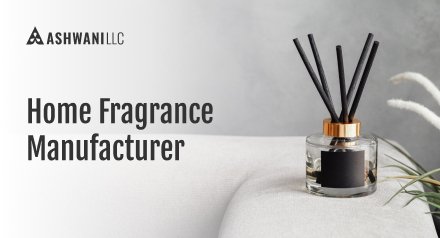
Reed diffusers have become one of the most popular home fragrance formats globally, and the UAE market reflects this strongly. They offer continuous, passive scent delivery without any heat source, making them safe, convenient, and long-lasting. The fragrance oil in a reed diffuser is typically a blend of the fragrance concentrate and a carrier liquid that regulates evaporation rate. In Dubai’s climate, where temperatures inside homes fluctuate due to air conditioning, the diffuser base formulation needs to account for rapid evaporation in warm spaces. High-quality manufacturers calibrate the carrier to oil ratio for climate-specific performance.
Scented candles represent a strong segment of the home fragrance market, particularly in the premium and gifting categories. In Dubai, candles scented with oud, amber, and rose are among the top-performing SKUs. The wax type significantly affects scent performance: soy wax provides better cold throw and a cleaner burn, while paraffin offers stronger hot throw and is easier to work with at scale. Coconut wax is emerging as a premium alternative. Manufacturers offering custom formulation services will typically offer wax blend options as part of the development process.
As discussed earlier, bakhoor remains a culturally central product in the UAE and broader GCC market. Beyond traditional burned bakhoor, electric bakhoor burners have expanded the audience by removing the need to manage charcoal. This has also driven demand for bakhoor in pellet and melt formats specifically designed for electric burners, creating new product development opportunities for manufacturers and brands.
Room sprays offer instant gratification and are popular as everyday freshening products rather than ambient scenting tools. They are also among the easiest formats to develop and manufacture, which makes them a smart entry point for brands testing fragrance concepts before committing to more complex candle or diffuser production. Linen sprays apply the same concept to fabric, and are gaining traction in the UAE hospitality sector for hotel turndown services and premium guest amenity programs.
The difference between a genuine home fragrance manufacturer and a generic ingredient reseller operating under a manufacturer label is significant, and it matters enormously for product quality and brand reputation. A genuine manufacturer controls the production process from raw material intake to finished goods. They have in-house quality control, formulation expertise, and the ability to reproduce a product batch to a consistent standard across multiple production runs. They can tell you the exact composition of your fragrance, provide traceability for ingredients, and make adjustments if a batch deviates from specification.
A generic supplier typically sources finished fragrance blends from a third party and fills them into packaging. They have no formulation IP of their own and cannot meaningfully customize a product. The fragrance you receive may not be repeatable across seasons if their upstream supplier changes formulations. For brands investing in a signature scent as part of their identity, this is a serious risk that many buyers discover too late.
Ashwani LLC operates as a wholesale supplier and manufacturer with formulation capability, private label services, and a product range spanning essential oils, home fragrance bases, and finished goods. For buyers looking to source home fragrance in UAE with manufacturer-level support, working with a company that controls both the ingredient sourcing and the production process reduces risk and shortens the path from concept to shelf.
Dubai’s home fragrance manufacturing sector is genuinely sophisticated, and it rewards buyers who approach it with clarity and informed expectations. Understanding the difference between oud grades, knowing how bakhoor binding affects commercial consistency, and distinguishing between private label and custom formulation are not minor details. They are the variables that determine whether your product performs in the market or gets lost in a crowded category. The UAE’s cultural depth around fragrance creates both a demanding domestic market and a credible origin story for export, and manufacturers operating in this environment have developed real expertise to meet those standards. Whether you are building a new home fragrance brand, expanding an existing product line, or sourcing for retail distribution, working with a verified home fragrance manufacturer in Dubai that controls both ingredients and production gives you the foundation to build products that stand on their own merit. The next step is requesting samples, asking the right questions, and matching your sourcing decision to your actual growth stage.
Pure oud oil is a steam or hydro-distilled extract from agarwood, one of the most expensive natural fragrance materials in the world. Oud-based fragrance used in home products typically refers to a fragrance blend that captures the character of oud, combining natural oud extract at varying concentrations with complementary aroma chemicals that enhance woody, resinous, and smoky notes. Pure oud oil at high concentrations is used in premium attars and niche perfumery. In most commercially manufactured home fragrance products, including candles and diffusers, a blended oud fragrance provides the right balance of authentic character, performance consistency, and cost viability.
There are several practical ways to verify manufacturing authenticity. Ask for a facility visit or a video walkthrough of their production space. Request batch records or quality control documentation for a previous order. Ask whether they can modify a fragrance formula or only supply from a fixed catalog. A genuine manufacturer will have in-house blending equipment, raw material storage, and quality testing infrastructure. They will also be able to provide IFRA documentation generated from their own formulation data rather than forwarded from a third-party supplier. Checking business registration, trade licenses, and export certifications through official UAE channels also provides useful verification.
Yes. Home fragrance products sold in the UAE must comply with UAE product safety regulations and, for fragrance materials, the guidelines set by the International Fragrance Association (IFRA). Products exported to the EU must additionally meet the requirements of EU product safety directives and, where applicable, REACH regulations for chemical substances. Dubai’s position as a free trade hub means many manufacturers are also familiar with export compliance requirements for markets in North America, the UK, and Asia Pacific. Always request documented compliance evidence before placing commercial orders, not after.
MOQ varies considerably depending on the product format and the manufacturer’s production setup. For reed diffusers and room sprays, MOQs commonly start at 500 to 1,000 units per SKU for private label products using existing formulations. Custom formulation projects typically carry higher MOQs, often starting at 1,000 to 2,000 units, to justify the development investment. Bakhoor products may have different MOQs depending on whether they are hand-finished or produced through automated processes. For brands starting out, it is worth asking whether a manufacturer offers a development batch at lower quantities before committing to full commercial production.
Yes, and this can be a significant operational advantage. Suppliers like Ashwani LLC that operate as both essential oil wholesale suppliers and home fragrance manufacturers allow buyers to source raw materials, finished fragrance bases, and private label products through a single relationship. This simplifies procurement, improves quality consistency across a product range, and reduces the logistical complexity of managing multiple supplier relationships across different ingredient categories.
For a private label product using an existing formulation, the timeline from brief to finished goods can be as short as four to six weeks, depending on packaging lead times. Custom formulation projects typically require eight to sixteen weeks from initial brief to approved sample, followed by a production lead time of four to six weeks for the first commercial run. Factors that extend timelines include multiple fragrance iteration rounds, complex packaging specifications, and export compliance documentation requirements for specific markets. Building a realistic timeline buffer of at least four weeks into your planning is strongly recommended, particularly for seasonal launches.
