



Our Global export market
We provide our services all over the world. Where we can serve you ?
Contact Us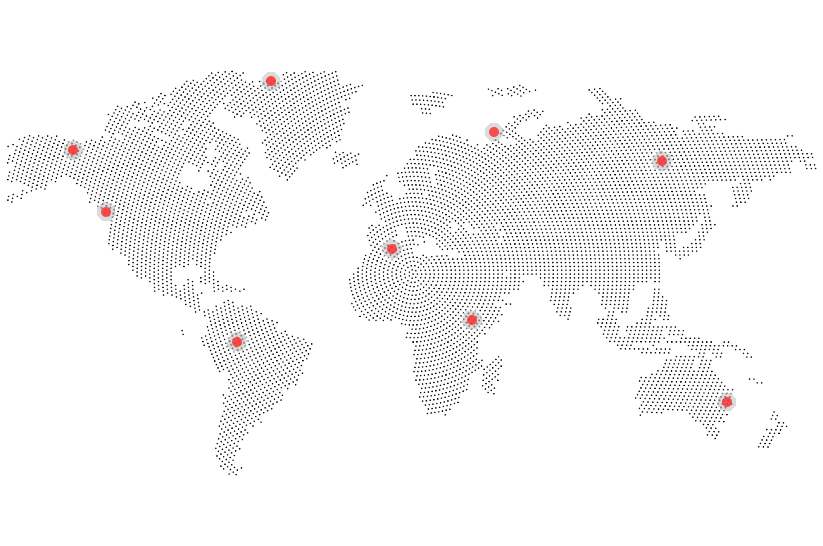
14 March 2026

The global demand for natural wellness products has increased dramatically over the past decade. Essential oils have become a key component in industries such as aromatherapy, cosmetics, personal care, home fragrance, and even hospitality. For retailers and distributors looking to enter or expand in this market, sourcing reliable wholesale suppliers is one of the most critical decisions they will make. However, finding the right essential oil wholesale in Dubai involves more than simply choosing the lowest price supplier. Quality standards, sourcing transparency, supply chain reliability, and compliance with international regulations all play a crucial role in long-term business success.
This guide explores how retailers and distributors can navigate the wholesale essential oil market in Dubai, what to look for in a reliable supplier, and how to make informed sourcing decisions that protect both product quality and brand reputation.
Dubai functions as a global trading gateway where products from multiple regions converge before being distributed to international markets. Essential oils sourced from India, Europe, Southeast Asia, and Africa often pass through Dubai’s trading ecosystem before reaching retailers worldwide.
For distributors, this creates both opportunities and complexities.
Several factors contribute to Dubai’s growing role in the essential oil supply chain:
Strategic geographic location
Dubai sits between major production regions such as India and Southeast Asia and high-demand markets across Europe and the Middle East. This positioning reduces logistics complexity and delivery times.
Advanced logistics infrastructure
The presence of world-class ports, airports, and free trade zones allows efficient bulk import and redistribution of essential oils.
Trade-friendly regulatory environment
Dubai’s business ecosystem encourages international trade through streamlined customs processes and tax advantages in certain zones.
Diverse supplier ecosystem
The market includes manufacturers, private label producers, importers, and bulk distributors. This diversity allows retailers to choose sourcing models that best match their product strategy.
Not all wholesale buyers operate the same way. Understanding the buyer profile helps determine the best sourcing strategy.
These companies sell essential oils directly to consumers through:
They typically require smaller wholesale volumes but place high emphasis on purity and certification.
These businesses use essential oils as ingredients in products such as:
Their purchasing decisions prioritize consistency and stable supply contracts.
Distributors buy in large quantities and resell oils to regional markets. Their main considerations include:
Companies like Ashwani LLC often serve this segment by providing structured wholesale supply networks.
Choosing the right essential oil wholesaler requires careful evaluation. The market includes both highly reputable suppliers and lower-quality intermediaries. Retailers who rush the sourcing process often face issues with inconsistent product quality or unreliable supply.
Authenticity is the most critical factor in essential oil sourcing.
A reliable wholesaler should provide documentation such as:
These reports confirm the chemical composition of oils and help verify that the product has not been diluted or adulterated.
Professional wholesalers openly disclose their sourcing regions. For example:
Transparency indicates that the supplier maintains traceability across the supply chain.
Retail brands often scale quickly. A supplier that cannot maintain consistent inventory may disrupt production cycles or retail stock availability.
Reliable wholesalers typically maintain structured procurement networks and storage systems.
Essential oils are sensitive to:
Professional suppliers store oils in dark glass or aluminum containers within controlled environments to preserve quality.
Retailers entering wholesale sourcing often focus only on price. However, several other factors significantly affect long-term business performance.
Essential oils are agricultural products. Natural variations occur depending on climate, harvest season, and distillation methods.
A dependable supplier manages this variability through strict quality control procedures.
Retailers selling in regulated markets must ensure oils comply with standards such as:
Failure to meet these requirements can lead to import restrictions or product recalls.
Wholesale suppliers often require minimum order thresholds. Retail brands should assess whether these volumes align with their current demand forecasts.
Some wholesalers offer additional services such as:
These services can significantly accelerate brand development.
Retailers can use a simple evaluation model before committing to a supplier.
S – Source Transparency
Does the supplier clearly identify origin regions and farming sources?
O – Oil Purity Documentation
Are GCMS and quality reports available for verification?
U – Upstream Supply Stability
Does the supplier maintain reliable relationships with growers and distillers?
R – Regulatory Compliance
Do products meet international safety and labeling standards?
C – Capacity for Growth
Can the supplier support increasing demand as the business expands?
E – Ethical and Sustainable Practices
Are oils sourced responsibly with sustainable harvesting methods?
This framework helps retailers avoid common sourcing mistakes and identify long-term partners rather than short-term vendors.
The most successful essential oil brands rarely change suppliers frequently. Instead, they build long-term relationships that support consistent quality and supply stability.
Effective supplier relationships include:
Trusted wholesale partnerships create stability for both retailers and distributors.
The global demand for natural wellness products continues to expand, and essential oils remain at the center of this growth. For retailers and distributors, sourcing oils through the essential oil wholesale in Dubai market provides access to international supply networks, efficient logistics, and diverse product options. However, successful sourcing requires more than comparing prices. Quality verification, supplier transparency, storage standards, and long-term supply reliability all play critical roles in maintaining product integrity and brand credibility.
Retailers who approach wholesale sourcing strategically and evaluate suppliers carefully are far more likely to build sustainable businesses in the growing essential oil industry.
Dubai has developed into a global trading center due to its strategic location, advanced logistics infrastructure, and strong international trade connections. The city acts as a bridge between major essential oil producing countries and international markets.
Its ports and airports enable efficient bulk imports and exports, while free trade zones allow businesses to operate with fewer barriers. As a result, many international distributors use Dubai as a base for supplying essential oils across the Middle East, Europe, and Africa.
For retailers, this ecosystem creates access to a wide range of oils from multiple regions through a single distribution hub.
Quality verification typically involves reviewing laboratory testing reports that analyze the chemical composition of the oil. Gas Chromatography Mass Spectrometry testing is widely used to identify purity and detect adulteration.
Retailers should also request certificates of analysis and information about the oil’s origin. Reliable suppliers provide transparency regarding sourcing regions, distillation methods, and storage conditions.
In addition, requesting small sample quantities before placing large wholesale orders allows retailers to evaluate fragrance profile, consistency, and overall quality.
Sourcing from unreliable suppliers can lead to several problems that directly affect business credibility.
Adulterated oils may contain synthetic additives or diluted ingredients, which can reduce product effectiveness and harm brand reputation. Inconsistent supply can disrupt production cycles for manufacturers and retailers.
There are also regulatory risks if oils fail to meet safety or labeling standards in target markets. Working with reputable wholesalers helps mitigate these issues and ensures product integrity.
Minimum order quantities vary depending on the supplier and the type of oil being purchased. Some distributors offer relatively flexible wholesale quantities suitable for small wellness brands, while others focus primarily on bulk industrial buyers.
Rare or high-value oils may require larger minimum orders due to production constraints and sourcing costs. Retailers should carefully evaluate inventory turnover rates before committing to large purchase volumes.
Understanding demand forecasts helps businesses choose order sizes that align with both cash flow and storage capacity.
Essential oils are sensitive natural compounds that can degrade when exposed to light, heat, or oxygen. Professional wholesalers typically store oils in dark glass or aluminum containers to protect them from environmental exposure.
Temperature-controlled storage environments also help maintain chemical stability over time. During transportation, specialized packaging prevents leakage and minimizes exposure to extreme temperatures.
These storage practices help preserve the aroma profile and therapeutic properties of essential oils until they reach retailers or manufacturers.
