




Our Global export market
We provide our services all over the world. Where we can serve you ?
Contact Us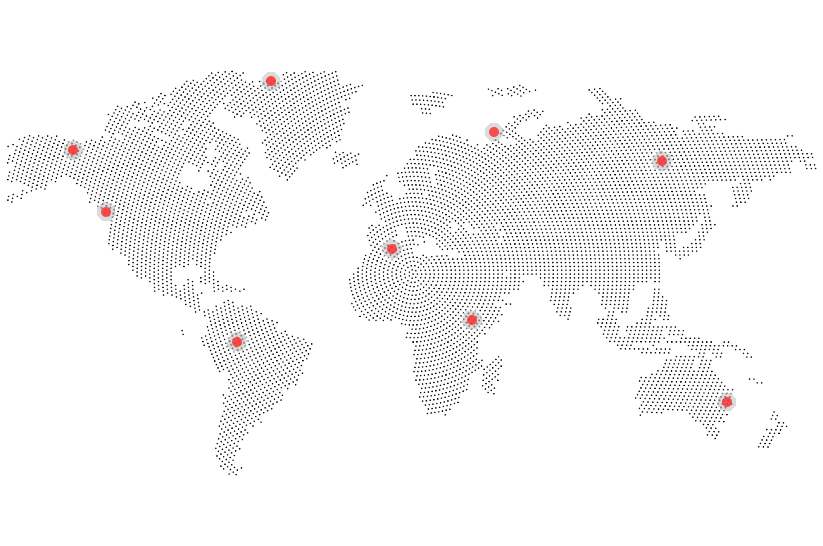
28 April 2026

Sourcing essential oils in bulk sounds simple until you step into the actual buying process. At first, everything looks similar. Multiple suppliers claim purity. Pricing varies without clear reasons. Product descriptions use the same words, yet the quality behind those words can be completely different. This is where most businesses make early mistakes. They assume essential oils are a commodity, when in reality, they are highly sensitive natural products influenced by origin, extraction method, and handling.
Understanding the Essential Oils Wholesale Dubai ecosystem is not just about finding suppliers. It is about understanding how quality, logistics, and sourcing decisions directly impact your final product and customer experience.
This guide is designed to help you go beyond surface-level comparisons. You will learn where to buy essential oils in Dubai, how to evaluate suppliers with confidence, what risks to avoid, and how to build a sourcing system that supports long-term growth.
Dubai has not become important in this industry because it produces essential oils. Its strength lies in how efficiently it connects global supply chains.
Dubai acts as a central exchange point for essential oils sourced from different parts of the world. Instead of dealing separately with suppliers in India, France, Australia, or Africa, buyers can access these oils through distributors based in Dubai.
This significantly reduces complexity. It also allows businesses to experiment with different oil origins without setting up multiple international supplier relationships. For growing brands, this flexibility is extremely valuable.
One of Dubai’s biggest advantages is its logistics infrastructure. Ports like Jebel Ali and advanced air cargo systems make it easier to move goods quickly across continents.
For essential oils, this matters more than most people realize. These are sensitive products. Delays, poor handling, or exposure to heat during transport can degrade quality. Efficient logistics help preserve product integrity from source to destination.
Dubai’s trade policies are designed to encourage international business. Free zones and simplified import-export processes allow wholesalers to operate efficiently.
For buyers, this means faster transactions, fewer regulatory bottlenecks, and smoother supply chain operations. It reduces friction, especially when scaling operations across regions.
The Dubai market is not uniform. It includes multiple types of suppliers, each serving a different purpose.
You will find:
Understanding these categories helps you avoid mismatches between your needs and your supplier type.
There is no single marketplace or directory that guarantees quality. Instead, the market is spread across different supplier categories.
This is the most structured and reliable segment for businesses looking to scale.
Companies like Ashwani LLC operate with organized procurement systems and supply networks. They typically source oils from multiple regions, maintain inventory, and provide documentation.
For retailers and manufacturers, this reduces uncertainty. You are not just buying a product. You are buying supply stability.
These distributors are ideal if you need:
These suppliers focus on unique or high-value oils.
They often deal with:
This category is useful for brands that want to differentiate through product quality or exclusivity. However, pricing is usually higher, and supply may not always scale easily.
Some suppliers combine wholesale supply with product development services.
This means you can:
This approach is useful if your goal is to launch a finished product rather than sell raw oils. However, the pricing structure and priorities of these suppliers may differ from pure wholesalers.
Dubai also has traditional trading environments where essential oils are sold in bulk.
These markets can offer competitive pricing, but they require strong expertise. Quality verification becomes entirely your responsibility. Without proper testing knowledge, the risk of buying adulterated or inconsistent oils increases significantly.
Choosing the right essential oil seller in Dubai is less about who offers the lowest price and more about who offers the most reliability.
Professional suppliers provide detailed reports such as GCMS analysis and certificates of analysis.
These documents break down the chemical composition of the oil. They help verify whether the oil is pure, diluted, or synthetically altered. Without these reports, you are essentially relying on trust alone.
A reliable supplier should clearly tell you where the oil comes from.
For example:
Knowing the origin helps you understand the expected characteristics of the oil and ensures consistency in your products.
Essential oils are highly sensitive to environmental conditions.
Exposure to light, oxygen, or heat can change their chemical structure. Good suppliers invest in proper storage systems such as:
This is often overlooked but has a direct impact on product quality.
The biggest challenge in essential oil sourcing is not finding a good batch. It is maintaining that quality over time.
A reliable supplier ensures that every batch matches previous orders as closely as possible. This consistency is critical for brands that rely on stable product performance.
Testing small quantities helps you evaluate quality without committing large capital. It also allows you to compare multiple suppliers before making a decision.
Suppliers perform better when they understand your expected demand. This helps them manage inventory and avoid shortages.
Sharing product performance feedback helps improve future batches. It also strengthens the relationship between buyer and supplier.
Choose suppliers who can grow with your business. Switching suppliers later can disrupt product consistency and customer trust.
Buying essential oils wholesale in Dubai is not just about finding a supplier. It is about building a sourcing system that supports your business at every stage.
Dubai offers access to global supply chains, efficient logistics, and a wide range of suppliers. But these advantages only translate into success when combined with careful evaluation and strategic decision-making.
By focusing on quality, consistency, and long-term alignment, you can turn essential oil sourcing into a strong foundation for growth rather than a recurring challenge.
The best place depends on your business needs. Bulk distributors are generally more reliable for long-term supply, while niche traders may offer unique oils.
Choosing the right option requires balancing quality, scalability, and pricing rather than focusing on a single factor.
Reviewing GCMS reports and certificates of analysis is essential. These documents confirm chemical composition and purity.
Additionally, testing samples in your actual product application provides practical validation.
It can be safe if you have strong knowledge of essential oils and testing methods.
However, for most businesses, structured suppliers offer lower risk and greater reliability.
Minimum order quantities vary depending on the supplier and type of oil.
Some suppliers support small businesses with flexible quantities, while others focus on bulk buyers.
Evaluate suppliers based on documentation, sourcing transparency, storage standards, and consistency.
Communication quality and responsiveness also play a key role in long-term success.
