


Our Global export market
We provide our services all over the world. Where we can serve you ?
Contact Us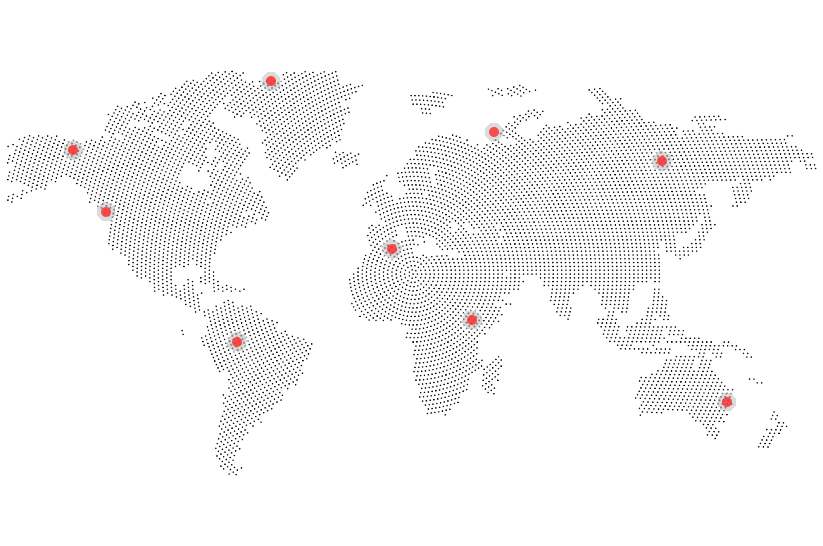
6 March 2026

Dubai’s retail landscape has evolved rapidly over the past decade. Once dominated by luxury imports and high consumption models, the market is now seeing a strong shift toward conscious consumption, ingredient transparency, and environmentally responsible products. Consumers in the region are becoming increasingly aware of what goes into the products they use daily, especially in categories like skincare, wellness, and personal care. As a result, retailers are rethinking sourcing strategies and product portfolios.
This shift has placed Natural Products Suppliers at the center of a new retail transformation. Companies such as Ashwani LLC and other suppliers of natural bath and body products are helping retailers transition toward cleaner, safer, and more sustainable product ecosystems. Understanding how these suppliers influence the market reveals an important story about the future of sustainable retail in Dubai.
Retail trends rarely change overnight. They evolve through consumer awareness, regulatory influence, and industry adaptation. Dubai is currently experiencing all three.
Several factors are driving the demand for natural products:
Health awareness among consumers
Modern consumers read ingredient labels more carefully than ever. Parabens, sulfates, synthetic fragrances, and artificial preservatives are increasingly viewed with skepticism.
Growth of wellness-focused lifestyles
The wellness economy has expanded beyond gyms and nutrition. Skincare, personal care, and home products now play a role in how consumers define healthy living.
Tourism-driven retail expectations
Dubai attracts visitors from Europe, North America, and Asia, many of whom are already accustomed to natural and organic product options.
Government sustainability initiatives
The UAE has been actively promoting sustainability through national initiatives, encouraging businesses to adopt environmentally responsible practices.
These shifts create a new demand environment that traditional product sourcing models cannot fully address.
Retailers often focus on consumer-facing brands, but behind every sustainable product line is a supplier network that determines quality, consistency, and authenticity.
Natural product suppliers perform several critical roles.
One of the biggest challenges in the natural product market is authenticity.
Many products marketed as “natural” contain synthetic fillers or heavily processed ingredients. Reputable suppliers help retailers avoid this issue by providing verified sourcing, clear ingredient documentation, and traceability.
For retailers, this transparency builds long-term customer trust.
Natural product development is more complex than conventional product manufacturing.
Formulating effective natural bath and body products requires balancing stability, safety, and performance without relying on synthetic additives. Experienced suppliers bring formulation knowledge and ingredient expertise that help brands create competitive products.
This expertise is especially valuable for retailers launching private-label wellness lines.
Natural ingredients are sensitive to factors such as climate, harvest cycles, and storage conditions.
Suppliers with established sourcing networks are better equipped to maintain consistent product quality, even when ingredient availability fluctuates.
Retailers benefit from stable supply chains and predictable product performance.
Many retailers now publish sustainability commitments. However, achieving those goals often depends on the suppliers they work with.
Responsible suppliers focus on:
These practices allow retailers to align product offerings with sustainability targets.
Personal care products are one of the fastest-growing segments within natural retail.
Consumers interact with these products daily, which increases scrutiny around ingredients and safety. As awareness grows, demand for natural bath and body products continues to expand.
Some of the most popular product categories include:
What makes this segment particularly interesting is that consumers are not just seeking “natural” labels. They are looking for products that combine safety, effectiveness, and environmental responsibility.
This expectation places greater importance on suppliers who understand both natural ingredient science and modern retail requirements.
Many retailers initially treat suppliers as purely logistical partners. In reality, the right supplier relationship can shape an entire product strategy.
Retailers working with experienced natural product suppliers gain advantages in several areas.
Access to unique botanical ingredients or specialty formulations helps retailers stand out in a crowded market.
Suppliers with formulation expertise can shorten product development timelines for new retail offerings.
Natural product regulations vary across markets. Suppliers familiar with regional compliance requirements help retailers navigate ingredient restrictions and safety standards.
Consumers increasingly value authenticity. Retailers sourcing from reputable suppliers strengthen their brand credibility without relying solely on marketing claims.
Retailers entering the natural product space often face a common challenge: determining which suppliers are trustworthy.
A useful evaluation framework focuses on five key criteria.
Can the supplier clearly document where ingredients originate and how they are processed?
Traceability reduces the risk of mislabeled or adulterated ingredients.
Does the supplier understand natural product chemistry, stability, and compatibility?
Natural formulations require specialized knowledge.
Look for suppliers committed to environmentally responsible sourcing and production.
This includes ethical harvesting, minimal processing, and eco-friendly packaging.
Natural ingredients are susceptible to seasonal variability. Reliable suppliers maintain diversified sourcing networks to ensure continuity.
Professional suppliers provide certifications, testing documentation, and clear ingredient specifications.
Retailers that use this framework avoid many of the pitfalls associated with inexperienced or low-quality suppliers.
Dubai’s retail ecosystem depends heavily on import networks and distribution partners.
Established suppliers such as Ashwani LLC play an important role by bridging global natural product manufacturers with regional retailers. By supplying natural bath and body products that align with modern consumer expectations, such companies help retailers expand into the growing wellness and sustainability segments.
Beyond distribution, experienced suppliers also contribute industry knowledge about product trends, ingredient innovations, and emerging consumer preferences.
This knowledge often influences which product categories gain traction in the market.
Looking ahead, several trends are likely to influence how natural products evolve in Dubai.
Consumers increasingly prefer products with fewer, recognizable ingredients. Simpler formulations build trust and reduce concerns about hidden chemicals.
Transparency around ingredient sourcing, processing methods, and environmental impact will become standard rather than optional.
Retailers are exploring biodegradable packaging, refill systems, and reduced plastic usage.
Natural personal care products are becoming part of broader wellness routines that include aromatherapy, mindfulness, and holistic health practices.
Suppliers that anticipate these trends will play an important role in shaping the next generation of retail products.
Dubai’s retail market is entering a new phase where sustainability, transparency, and wellness are becoming central to consumer expectations. Natural product suppliers are playing a crucial role in enabling this shift. By providing verified ingredients, formulation expertise, and responsible sourcing practices, they help retailers transition toward more sustainable product ecosystems. For retailers exploring the natural product space, choosing the right supplier is not just an operational decision. It is a strategic one that influences product credibility, customer trust, and long-term brand positioning.
As consumer awareness continues to evolve, the collaboration between retailers and natural product suppliers will remain a key driver shaping the future of sustainable retail in Dubai.
