

Our Global export market
We provide our services all over the world. Where we can serve you ?
Contact Us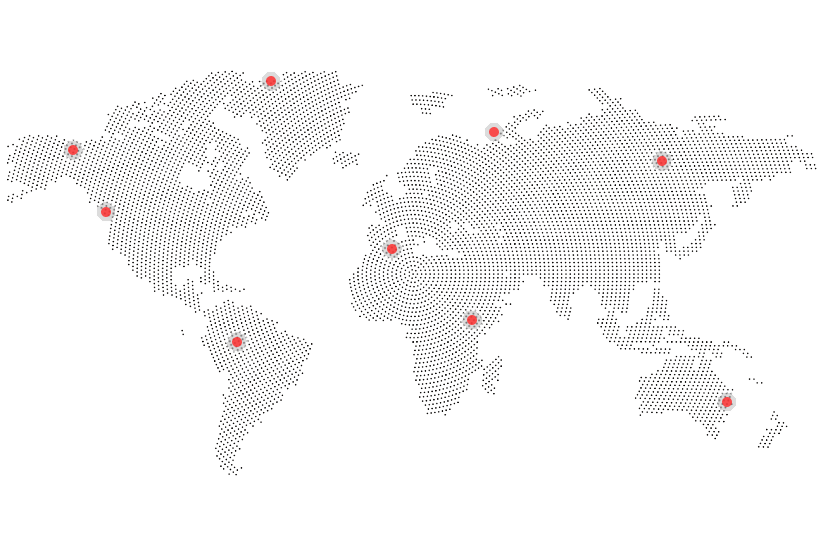
17 November 2026
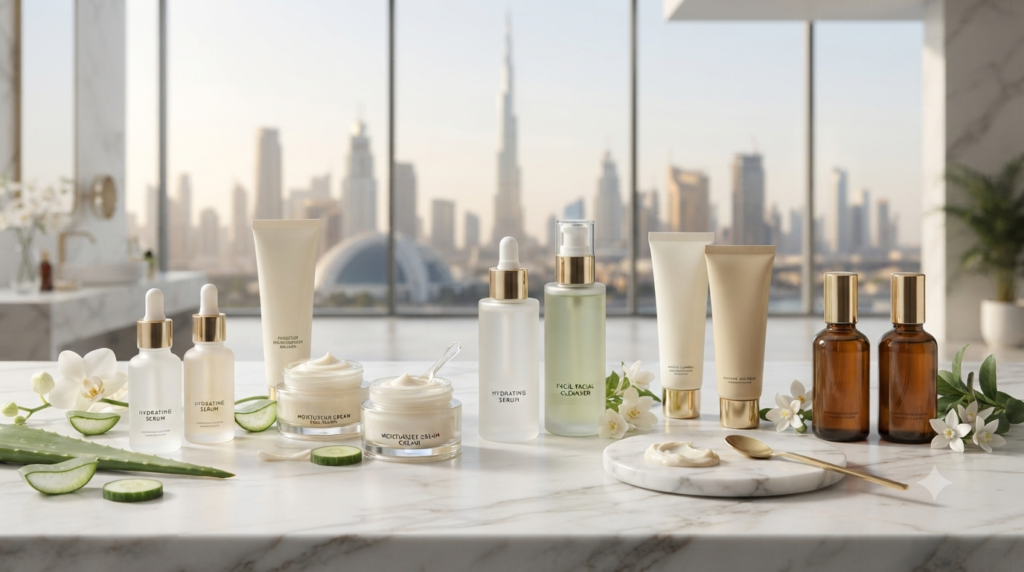
Finding the right skincare products involves more than choosing popular ingredients or attractive packaging. Buyers need to consider skin type, product formulation, ingredient quality, climate, intended use, and the reliability of the supplier. For businesses, additional factors such as wholesale pricing, minimum order quantities, private-label options, packaging, and regulatory requirements are equally important.
The market for the best skin care products in Dubai includes facial cleansers, moisturizers, serums, face creams, body care products, and complete skincare sets. Consumers may be looking for products that fit their daily routines, while retailers, distributors, spas, and beauty brands need dependable products that meet their customers’ expectations.
Natural skincare and private-label manufacturing also offer opportunities for businesses seeking to develop differentiated product ranges. However, natural ingredients are not automatically safer or more effective than synthetic alternatives. The complete formulation, ingredient concentrations, product stability, and appropriate testing all matter.
This guide explains how to compare skincare products, select suitable ingredients, understand private-label options, and evaluate suppliers in Dubai and the wider UAE market.
Dubai’s beauty and personal care market serves a diverse population with different skin types, preferences, lifestyles, and purchasing habits. Skincare products are sold through beauty retailers, pharmacies, online stores, salons, spas, hospitality businesses, and specialist distributors.
The local climate is also an important consideration. Heat, humidity, air conditioning, sun exposure, and frequent movement between outdoor and indoor environments may influence how people experience their skincare products. Individual needs still vary, so buyers should avoid assuming that everyone living in Dubai needs the same formulation.
Several factors influence skincare purchasing decisions:
For consumers researching the best skin care products in Dubai, understanding their skin’s needs is a sensible starting point. For commercial buyers, the same research should be combined with product testing, customer feedback, and a clear purchasing strategy.
Different skincare products perform different functions. A well-planned routine or commercial collection may include cleansing, moisturizing, targeted treatments, and body care.
Facial cleansers remove everyday dirt, excess oil, sweat, makeup, and other surface impurities. They are often the first step in a basic skincare routine.
Common cleanser formats include:
Ingredient choices should reflect the product’s purpose. Glycerin, for example, is commonly used as a humectant, while suitable surfactants help remove dirt and oil.
Practical example: A beauty retailer serving customers with different preferences might stock a gentle daily cleanser alongside a gel cleanser for customers who prefer a lighter texture. Product suitability should be assessed individually rather than based on location or skin type assumptions alone.
Moisturizers help reduce water loss and support the skin barrier. Their formulations may combine humectants, emollients, and occlusive ingredients to improve hydration and skin feel.
Common ingredients include:
Lightweight lotions and gel creams may appeal to consumers who dislike heavy textures, while richer creams may be preferred by people experiencing dryness.
In Dubai’s climate, buyers may want to compare how a moisturizer feels in hot outdoor conditions and air-conditioned indoor environments. There is no single moisturizer that works best for every skin type.
Serums are concentrated cosmetic formulations designed around particular skincare objectives, such as hydration, improving the appearance of uneven skin tone, or reducing the visible signs of ageing.
Common serum ingredients include:
Serum performance depends on the complete formulation, ingredient concentration, stability, packaging, and usage instructions. A product containing a well-known ingredient does not automatically deliver a particular result.
For commercial buyers, it is important to check whether the formula is suitable for the intended audience, how it should be stored, and what evidence supports any marketing claims.
Body care products extend beyond facial skincare and can be important categories for retailers, salons, spas, and hospitality businesses.
Examples include:
Exfoliating products require particular care. Abrasive particles and strong exfoliating ingredients may irritate sensitive skin if used too frequently or formulated inappropriately.
Practical example: A spa might develop a coordinated body care range featuring body wash, lotion, and hand cream. Before adopting a supplier’s products, the spa should evaluate ingredient information, fragrance preferences, packaging practicality, and compatibility with its service environment.
Skincare sets combine complementary products into a coordinated collection. They may include a cleanser, serum, moisturizer, and other products selected for a specific routine or customer segment.
Benefits for retailers and brands can include:
A set should contain products that work together sensibly. More products do not necessarily mean better skincare, and a multi-step routine may not be necessary for every consumer.
For private-label businesses, launching a small collection with a clear purpose may be more manageable than introducing many unrelated products at once.
The following table provides a practical overview for consumers and commercial buyers comparing common skincare categories.
| Product type | Main purpose | Common ingredients | Suitable audience | Key purchasing considerations |
| Facial cleanser | Remove dirt, oil, and impurities | Suitable surfactants, glycerin, panthenol | Consumers seeking daily cleansing | Cleansing performance, skin feel, fragrance, pH |
| Moisturizer | Hydrate skin and support its barrier | Glycerin, ceramides, hyaluronic acid | People seeking everyday hydration | Texture, ingredient compatibility, packaging |
| Face cream | Moisturize and condition facial skin | Emollients, humectants, selected oils | Consumers preferring cream formulations | Richness, absorption, stability, container choice |
| Facial serum | Deliver targeted cosmetic ingredients | Niacinamide, vitamin C derivatives, peptides | Consumers seeking specific cosmetic benefits | Formula stability, concentration, evidence for claims |
| Body lotion | Moisturize and soften body skin | Glycerin, shea butter, emollients | General personal care customers | Spreadability, scent, size, unit cost |
| Body scrub | Exfoliate the skin’s surface | Suitable exfoliating particles or acids | Customers seeking exfoliating products | Abrasiveness, usage directions, irritation potential |
| Skincare set | Combine complementary products | Depends on included products | Gift buyers, retailers, beauty brands | Product compatibility, presentation, total cost |
This comparison can help buyers create a balanced assortment. Product selection should still be based on the actual formulation, intended use, customer feedback, and available product documentation.
Interest in natural skincare products Dubai reflects consumer and business interest in botanical oils, plant extracts, naturally derived ingredients, and products positioned around simpler ingredient choices.
Natural skincare can include cleansers, moisturizers, face oils, soaps, body lotions, and other personal care products. However, the term natural does not have one universal meaning across every market or product category. Buyers should examine ingredient lists and supporting documentation rather than relying solely on marketing language.
Aloe vera: Commonly used in gels and moisturizing products. The quality and concentration of the ingredient depend on the formulation.
Jojoba oil: An emollient commonly used in face oils, body products, and moisturizing formulations.
Sweet almond oil: Used in various cosmetic products to improve skin feel and provide emollient properties. People with relevant allergies should review the ingredient information carefully.
Shea butter: Frequently used in richer creams and body butters.
Rosehip oil: Used in facial oils and other products containing plant-derived emollients.
Botanical extracts: Ingredients such as chamomile, green tea, and calendula may be included for skin-conditioning purposes, depending on the formula and supporting evidence.
No. Natural and synthetic ingredients can both be suitable or unsuitable depending on their properties, concentration, formulation, and use.
Essential oils and botanical extracts, for example, can cause irritation or allergic reactions in some people. A natural product may also require preservatives or other supporting ingredients to remain safe and stable, particularly when it contains water.
When comparing organic skincare products Dubai suppliers, buyers should ask:
Consumers with sensitive skin should introduce new products carefully and seek professional advice if they have persistent skin concerns. Commercial buyers should avoid claims such as “hypoallergenic,” “chemical-free,” or “safe for everyone” unless the wording is appropriate and supported by evidence.
Climate can influence product preferences, but it should not replace an assessment of individual skin needs.
Some consumers prefer lightweight gels, lotions, and fluid moisturizers in warm weather because they feel less heavy on the skin. Others may still need richer products, particularly when experiencing dryness from frequent air conditioning or other environmental factors.
When evaluating products, consider:
Hydration remains an important consideration across different climates. Humectants, emollients, and occlusive ingredients can work together to help maintain skin moisture.
For example, a moisturizer containing glycerin and suitable emollients may be worth evaluating for everyday use. The correct formulation depends on the customer’s needs and the finished product’s performance.
Sun protection is an important part of skincare in sunny environments. Consumers should consider broad-spectrum sunscreen with an appropriate sun protection factor (SPF), follow the product’s instructions, and reapply as directed.
For reliable general information, consult the U.S. Food and Drug Administration’s sunscreen guidance. Businesses developing or sourcing sunscreen products should separately verify the applicable regulatory requirements, testing, and substantiation for their intended market.
Whether purchasing for personal use or building a commercial range, a structured selection process can reduce unnecessary spending and improve decision-making.
Start with the intended purpose of the product. Is it designed for cleansing, hydration, exfoliation, or another cosmetic objective?
For individual consumers, consider skin type, known sensitivities, current products, and personal preferences. For businesses, identify the needs of the intended customer segment.
Look beyond the product’s headline ingredient. Review the full ingredient list, directions for use, warnings, and relevant product information.
A product marketed with vitamin C, aloe vera, or botanical oils should be assessed as a complete formulation rather than on that ingredient alone.
Product texture can influence customer satisfaction and repeat purchases. If samples are available, assess spreadability, absorption, fragrance, finish, and ease of use.
Commercial buyers should test samples under suitable conditions and collect structured feedback before making a bulk commitment.
Packaging should be compatible with the formulation and intended method of use. Consider bottles, jars, tubes, pumps, closures, labels, and outer cartons.
Light-sensitive or oxidation-prone formulas may require more protective packaging. The appropriate choice depends on the formulation and testing rather than appearance alone.
Review product specifications, ingredient information, applicable safety documentation, and evidence supporting marketing claims. Avoid relying on unverified statements about clinical effectiveness or guaranteed results.
For consumers, value includes product suitability, usability, and how well a product meets their needs. For businesses, calculate the total commercial cost, including packaging, logistics, storage, marketing, and potential wastage.
A lower purchase price may not represent better value if quality, documentation, or supply consistency is inadequate.
The market for private label skincare UAE offers a route for retailers, beauty entrepreneurs, distributors, salons, and established brands to develop skincare products under their own brand names without necessarily owning a manufacturing facility.
Depending on the manufacturer’s capabilities, private-label services may include product selection, formulation, sampling, packaging, labelling, and production.
A private-label skincare collection may include:
The actual range depends on the manufacturer’s equipment, formulation capabilities, ingredients, and commercial terms.
These terms are sometimes used differently by suppliers, so buyers should confirm what each service includes.
| Factor | White-label products | Private-label products |
| Starting point | Usually an existing, ready-made product | An existing formula or a more customized product concept |
| Formula changes | Often limited | May be available, depending on the supplier |
| Branding | Brand name and packaging may be customized | Branding and packaging may be customized |
| Development time | Often shorter for ready-made products | May be longer if formulation changes are required |
| Order quantities | Depends on the supplier and product | Depends on formulation, packaging, and production requirements |
| Best suited for | Businesses seeking a simpler product launch | Businesses seeking greater product differentiation |
Neither approach is automatically better. The right option depends on budget, launch timelines, product requirements, and the amount of customization needed.
A practical development process typically includes the following stages.
Ashwani LLC describes a development process involving formulation, sampling, approval, budgeting, packaging, and final production. Businesses can learn more through its private-labelling services.
Choosing among skincare manufacturers in Dubai requires a careful review of manufacturing capabilities, product quality, communication, and regulatory support. A supplier’s marketing claims should not replace independent checks and documented evidence.
Ask whether the manufacturer works with your preferred product categories and can accommodate your formulation requirements.
For example, a brand planning to launch a moisturizer, serum, and cleanser should confirm that the manufacturer can produce each product and manage the required packaging and quality checks.
Request samples before committing to production where possible. Discuss the relevant stability, microbiological, compatibility, and safety assessments for each formulation.
The appropriate testing depends on the product. A water-based cream may require different assessments from an anhydrous face oil.
Minimum order quantities can vary according to the formula, packaging format, raw materials, and degree of customization.
Ask for written quotations covering product costs, packaging, sampling, artwork, and other relevant charges. Avoid assuming that a supplier’s minimum order quantity for one product applies to every product.
Packaging should protect the product and provide a practical user experience. Consider whether the supplier can offer suitable tubes, bottles, jars, pumps, and labels.
Ashwani LLC provides information about its cosmetic packaging solutions, including different container formats and private-label packaging options. Buyers should confirm the compatibility of their chosen packaging with the intended formulation.
Before purchasing, ask which documents the manufacturer can provide and which responsibilities remain with the brand owner or importer.
Relevant documents may include ingredient specifications, certificates of analysis where applicable, safety data sheets for relevant materials, and supporting records for product claims. These documents serve different purposes and do not individually guarantee that a finished cosmetic product is compliant.
For general regulatory background, the European Commission’s cosmetics information explains the importance of cosmetic safety requirements and evidence supporting product safety. Businesses selling in the UAE must independently confirm the applicable local requirements.
A suitable manufacturing partner should clearly explain product availability, sampling, production schedules, packaging lead times, and order terms.
Ask how product specifications are maintained across repeat orders and how changes are communicated. This is particularly important for businesses supplying retail chains, spas, and hospitality customers.
Businesses researching natural skincare, wholesale cosmetics, or private-label manufacturing may consider Ashwani LLC as a potential B2B partner.
According to its website, Ashwani LLC supplies essential oils, carrier oils, natural cosmetics, bath and body care, personal care products, and packaging solutions. It also describes custom formulation and private-label services for relevant product categories.
Choosing the best skin care products in Dubai requires a thoughtful assessment of formulation, ingredient suitability, product performance, packaging, and supplier reliability. Consumers should focus on products that suit their individual skin needs, while retailers, distributors, spas, and beauty brands should also evaluate commercial viability and documentation.
Natural skincare products and private-label manufacturing can provide opportunities for businesses looking to build differentiated product ranges. However, successful product development depends on more than attractive ingredients or branding. Appropriate testing, suitable packaging, clear product positioning, and compliance with applicable requirements are essential considerations.
Ashwani LLC offers relevant skincare, personal care, wholesale, packaging, and private-label-related services for businesses exploring product development opportunities. To discuss a potential project, visit the Ashwani LLC website or contact the team directly to confirm available products, customization options, minimum order quantities, and commercial terms.
The best products depend on individual skin needs, preferences, and tolerance. Common categories include cleansers, moisturizers, serums, face creams, and body care products. Buyers should assess the formulation, ingredient list, directions, and suitability rather than relying only on popularity or marketing claims.
Not necessarily. Natural ingredients can be useful in skincare formulations, but they can also cause irritation or allergic reactions. Product safety and suitability depend on the complete formulation, ingredient concentration, and intended use.
Review the ingredient list, the meaning of any organic claim, and whether the supplier can provide relevant supporting documentation. Do not assume that a product is certified organic simply because it contains plant-derived ingredients.
Private-label skincare manufacturing allows a business to sell products under its own brand while a third-party manufacturer handles some or all of the production process. Services may include formulation, sampling, packaging, and labelling, depending on the supplier.
Yes, provided they can meet the manufacturer’s commercial requirements and the applicable regulatory obligations. Small businesses should compare available stock formulas, customization options, minimum order quantities, packaging costs, and launch budgets before choosing a supplier.
There is no universal minimum order quantity. It varies by manufacturer, formula, product category, packaging, and production requirements. Request a product-specific quotation rather than relying on a general MOQ estimate.
Suitable options may include tubes, jars, pump bottles, and dropper bottles. The choice depends on the formula’s stability, viscosity, dispensing requirements, compatibility with packaging materials, and intended customer experience.
Review their product range, formulation capabilities, sampling process, quality systems, documentation, packaging options, pricing, and delivery arrangements. Request evidence of relevant certifications and testing rather than relying on unsupported claims.
Requirements depend on the product classification, formulation, claims, and intended market. Businesses should verify applicable product registration, labelling, safety documentation, and conformity requirements with the relevant authorities before importing or selling cosmetics.
For additional background on cosmetic safety, consult the U.S. Food and Drug Administration’s cosmetics guidance and the European Commission’s cosmetics information. These are useful references but do not replace UAE-specific regulatory guidance.
Visit the Ashwani LLC Contact Page to discuss your requirements. Include your preferred product categories, estimated quantities, packaging preferences, target market, and whether you need a stock formula or a customized product.
