


Our Global export market
We provide our services all over the world. Where we can serve you ?
Contact Us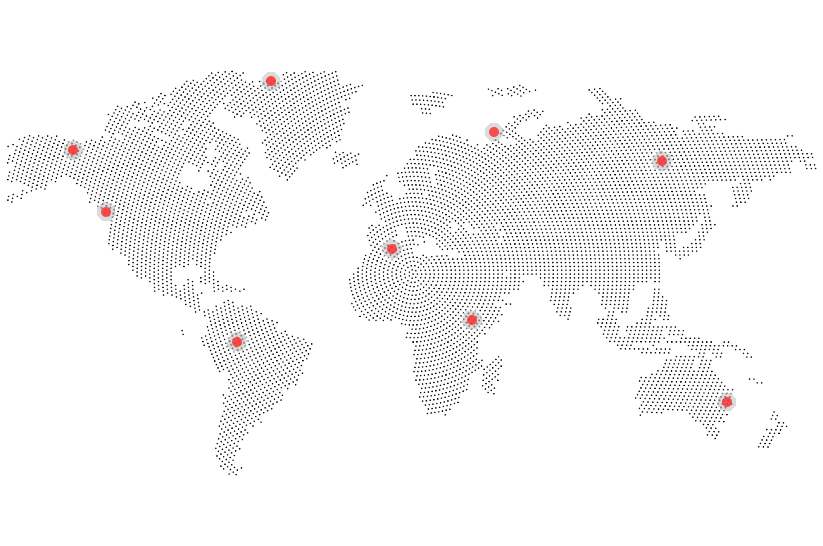
5 January 2026

Sourcing glass bottles wholesale Dubai may look simple on the surface, but buyers who rely only on quoted prices often end up paying far more than necessary. Dubai has grown into a major global hub for glass packaging due to its strategic location, export-friendly infrastructure, and access to premium manufacturers. Yet, beneath competitive pricing lie hidden factors that influence total cost, lead time, and long-term value. Whether you’re a cosmetics brand, fragrance manufacturer, food producer, or private label business, understanding how wholesale glass bottle pricing works in Dubai can significantly improve your margins. This guide breaks down the real cost drivers, common mistakes buyers make, and practical negotiation strategies used by experienced procurement professionals.
Dubai serves as a central sourcing point for brands supplying the Middle East, Europe, Africa, and Asia. The market includes stock bottle suppliers, custom mold manufacturers, exporters, and private-label partners. Each operates with different pricing structures, which is why quotes for glass bottles wholesale Dubai can vary widely for what appears to be the same product.
Buyers who understand this ecosystem are better positioned to compare offers accurately and avoid unnecessary expenses.
One of the most common mistakes is assuming stock bottles are always cheaper. While they require no tooling cost and are ideal for smaller orders, custom mold bottles often become more cost-effective at scale. Custom designs involve an upfront mold fee but lower per-unit costs and stronger brand differentiation over time.
MOQs can significantly impact total cost. Stock bottles may start at a few thousand units, while custom molds can require tens of thousands. Some suppliers offer low unit prices but offset them with high MOQs or mandatory packaging bundles. Always calculate the total landed cost rather than focusing only on per-unit pricing.
Two bottles with the same dimensions may differ in weight. Heavier glass increases raw material and freight costs, especially for export orders. This factor is often overlooked during sampling but can add substantial cost in bulk shipments.
Processes like frosting, screen printing, hot stamping, and UV coating are usually priced separately. These additions enhance visual appeal but can significantly raise costs if not discussed upfront. Always request a complete cost breakdown that includes decoration.
Many suppliers quote prices on an EXW or FOB basis, meaning freight and insurance are not included. Export packaging, palletization, and breakage protection can add unexpected costs if not negotiated in advance.
Instead of requesting a single price, ask suppliers how costs change at different quantities or with alternative specifications. This approach encourages transparency and opens the door to better deals.
Suppliers like Ashwani LLC in Dubai prioritize repeat business. Even if your initial order is small, sharing your growth plans and projected annual volume can unlock better pricing tiers.
Experienced buyers rarely pay full mold costs upfront. Options include spreading the cost across multiple orders, negotiating partial ownership, or offsetting mold fees against future volume discounts.
End-of-quarter periods or slower production months are ideal times to negotiate. Suppliers are often more flexible when factory utilization is lower.
Before finalizing any glass bottles wholesale Dubai order, confirm sample consistency, acceptable weight tolerance, breakage policies, and replacement terms. Low prices without quality assurance can lead to costly reorders and delays.
Sourcing glass bottles wholesale Dubai successfully requires more than comparing quotes. By understanding hidden pricing factors and negotiating strategically, buyers can reduce costs, avoid surprises, and build reliable supplier relationships.
If you’re planning to scale your packaging or explore private labeling opportunities, take the time to evaluate total value – not just unit price.
Learn more by exploring our related packaging guides or reaching out for expert sourcing support.
Cosmetics, perfumes, essential oils, food and beverage, pharmaceuticals, and home fragrance brands.
Yes. For brands planning to scale, custom molds reduce long-term unit costs and enhance brand identity.
Food-grade compliance, ISO certifications, and export documentation relevant to the destination market.
Stock bottles usually take 7–15 days, while custom molds may require 30–60 days including sampling.
Yes. Suppliers are often flexible when buyers commit to repeat orders or mixed product ranges.
