


Our Global export market
We provide our services all over the world. Where we can serve you ?
Contact Us
2 November 2026

Choosing the right diffuser oils is an important part of creating a welcoming atmosphere in homes, hotels, spas, and commercial spaces. For businesses in the UAE, fragrance can contribute to the overall customer experience, complement interior design, and help establish a distinctive brand environment.
However, selecting diffuser oils involves more than choosing a pleasant fragrance. Businesses must consider the type of oil, diffuser compatibility, fragrance strength, consistency, storage, and supplier reliability. These factors become especially important for distributors, retailers, hospitality businesses, and spas that purchase products in bulk.
This guide explores the different types of diffuser oils, popular fragrance profiles, commercial applications, and practical considerations for sourcing diffuser oils in the UAE.
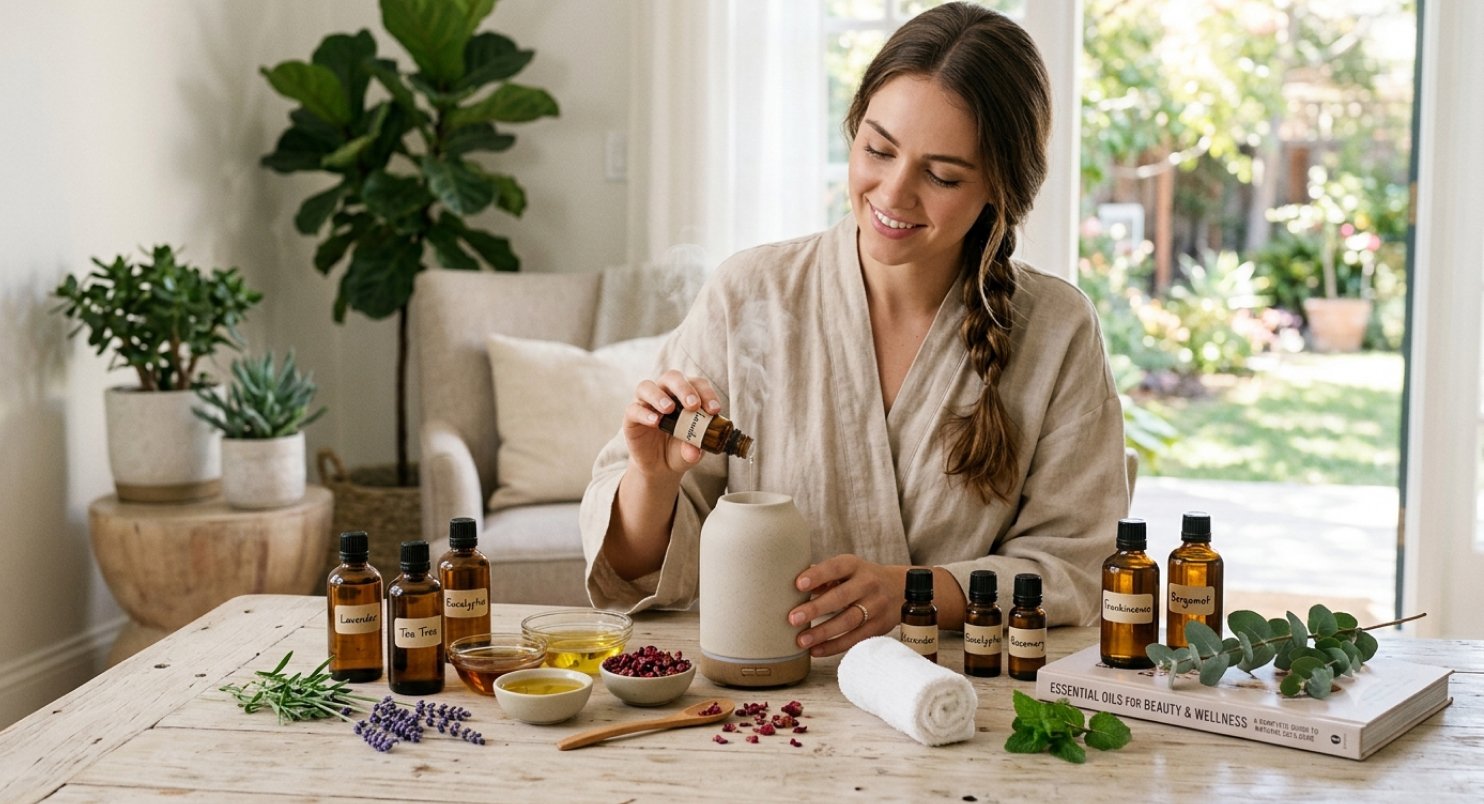
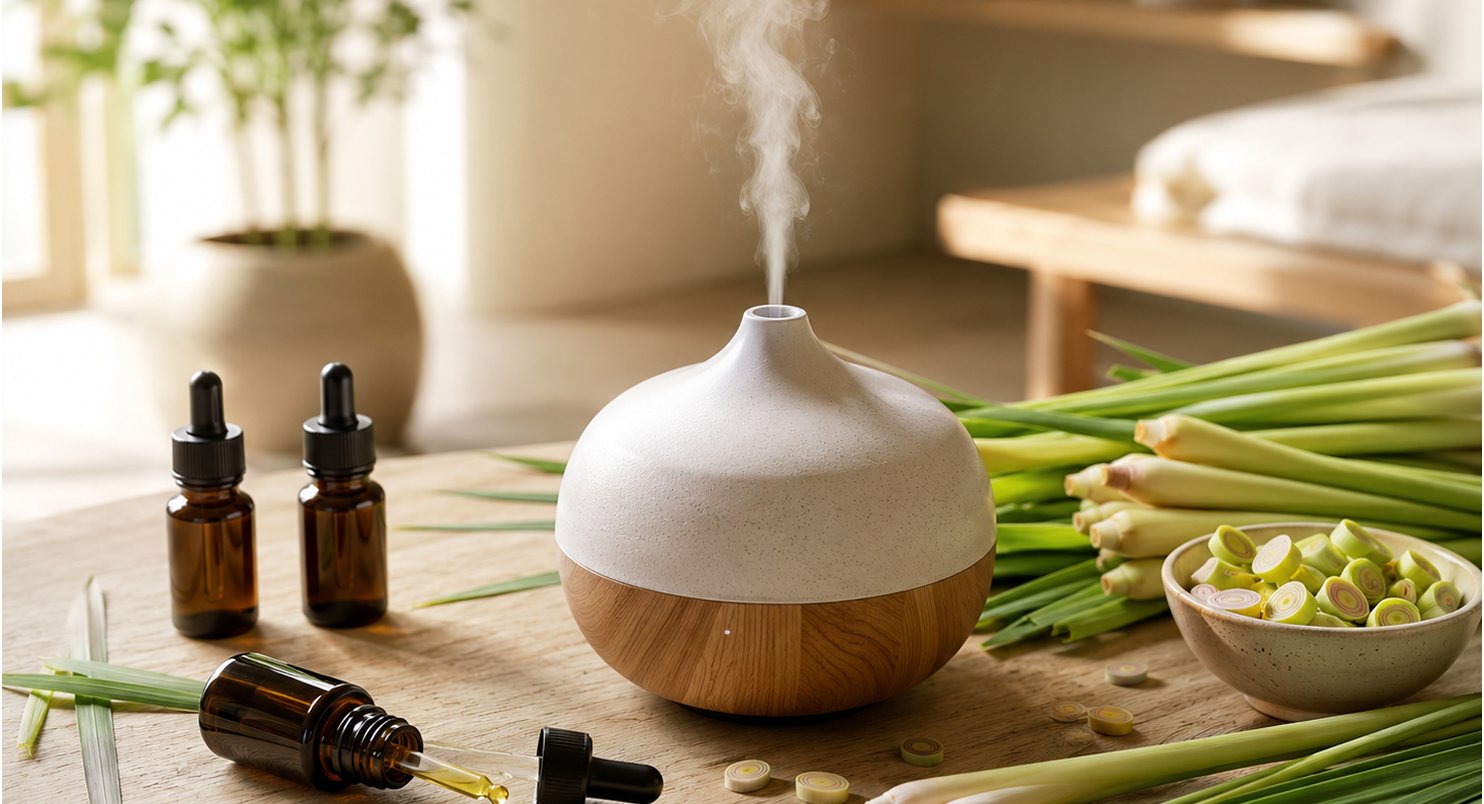
Diffuser oils are aromatic liquids used in diffuser devices to release fragrance into the surrounding air. Depending on their formulation, they may contain essential oils, fragrance ingredients, or blends designed for particular fragrance applications.
They are used in residential and commercial environments to create different scent experiences, from fresh and light aromas to rich, warm fragrances.
For B2B buyers, understanding the type of oil is important because not every aromatic oil is suitable for every diffuser. A product designed for a reed diffuser, for example, may not be appropriate for an ultrasonic or nebulising diffuser.
Essential oils: Essential oils are concentrated aromatic extracts obtained from plants and their parts, including flowers, leaves, roots, bark, and peels. Common examples include lavender, eucalyptus, peppermint, lemongrass, and orange oil.
They are selected for their botanical origin and distinctive natural aromas. Their scent profile and composition can vary depending on the plant species, growing conditions, extraction method, and batch.
Fragrance oils: Fragrance oils are formulated aromatic blends. They may contain synthetic fragrance ingredients, natural aromatic materials, or a combination of both. They offer a wide range of scent profiles, including floral, woody, fresh, oriental, and customised fragrances.
For hotels, retail outlets, and other commercial environments, fragrance oils may offer more flexibility when a business wants a consistent signature scent.
Diffuser blends: Diffuser blends combine two or more aromatic ingredients to create a particular fragrance profile. For example, a blend may combine citrus and herbal notes for a fresh atmosphere or woody and floral notes for a warmer scent.
Businesses should check the formulation and intended use before purchasing a blend in bulk.
Different diffuser systems disperse fragrance in different ways:
The correct choice depends on the device, room size, ventilation, desired fragrance intensity, and manufacturer’s instructions.
Fragrance plays an important role in the presentation of residential, retail, and hospitality spaces. In the UAE, businesses may use carefully selected aromas to complement interior design, reinforce their brand identity, and create a consistent environment for visitors.
The demand for suitable diffuser oils can come from several types of buyers.
Homeowners and home-fragrance retailers may select diffuser oils for living rooms, bedrooms, bathrooms, and other personal spaces. Fresh citrus, floral, herbal, and woody profiles offer different fragrance experiences depending on the room and individual preference.
Hotels use fragrance as one element of the guest experience. A carefully selected scent can complement the property’s interior design, reception area, corridors, and shared spaces.
Some hospitality businesses also develop a signature fragrance that reflects their brand identity. Consistency is important when the same fragrance is used across multiple locations.
Spas may select gentle floral, herbal, or woody aromas to complement their treatment rooms and relaxation areas. Fragrance selection should consider the preferences and sensitivities of guests, as well as ventilation and the size of the space.
Retailers, showrooms, offices, and commercial establishments may use scent to create a distinctive atmosphere. The fragrance should complement the business rather than distract customers or employees.
For distributors and wholesalers, these applications create opportunities to supply different fragrance categories to different business segments.
There is no single best diffuser oil for every environment. The right choice depends on the purpose of the space, the people using it, the equipment, and the fragrance experience the business wants to create.
| Environment | Suitable fragrance profiles | Selection considerations |
| Homes | Citrus, lavender, floral, herbal | Personal preference, room size, and fragrance intensity |
| Luxury hotels | Oud, sandalwood, woody, oriental | Brand identity and consistency across spaces |
| Spas | Lavender, eucalyptus, floral, herbal | Guest comfort and suitable fragrance intensity |
| Retail stores | Citrus, fresh, floral, woody | Brand positioning and customer experience |
| Offices | Light citrus, fresh, subtle herbal | Ventilation and a non-distracting aroma |
| Resorts | Tropical, floral, woody, fresh | Property theme and shared-space requirements |
Residential environments generally benefit from fragrances that suit the room’s purpose and occupants’ preferences.
For home-fragrance retailers, offering a selection of fragrance families can help customers choose according to their preferences.
Hotels often need fragrances that work in larger shared environments. Reception areas, lounges, corridors, and guest rooms may require different scent strengths and fragrance profiles.
For example, a hotel may choose a refined woody or oriental profile for its reception area and a lighter fragrance for guest corridors.
Businesses should consider:
Spas often prefer fragrance profiles that complement their visual design and service experience. Lavender, eucalyptus, rose, and other herbal or floral notes are commonly considered.
However, businesses should avoid assuming that a natural oil is automatically suitable for every guest. Some people may be sensitive to fragrance ingredients, so responsible use and adequate ventilation are important.
Retail stores and showrooms may use fragrance to complement their brand personality.
For example:
The fragrance should remain balanced and appropriate for the environment.
Selecting diffuser oils for commercial use requires a more structured approach than choosing a fragrance for personal use. Businesses need products that meet their application requirements and can be supplied consistently.
Consider the following factors before purchasing.
Start by deciding where the oil will be used. A product for a small reed diffuser may have different formulation requirements from one intended for a commercial cold-air scent system.
Tell the supplier about the diffuser type and intended environment before requesting recommendations.
A fragrance should have a balanced and consistent scent profile. Evaluate whether it is too strong, too faint, or suitable for the intended space.
Request samples so your team can assess the product before placing a bulk order.
Hotels, retail chains, and distributors may need to reorder the same product regularly. Changes in fragrance character between batches can affect customer satisfaction and brand consistency.
Ask the supplier about batch identification, quality checks, and product specifications.
Fragrance performance depends on several factors, including:
A fragrance that performs well in one environment may not produce the same result in another. Test the product using the actual equipment wherever possible.
This is one of the most important considerations. Some oils may damage equipment, leave residue, or fail to diffuse properly if used in an unsuitable system.
Always confirm compatibility with both the oil supplier and the diffuser manufacturer.
Packaging should protect the product during storage, handling, and transportation. Depending on the formulation, packaging considerations may include:
For distributors and retailers, packaging should also support convenient inventory management.
A suitable supplier should be able to explain the product, provide relevant technical information, and discuss bulk supply requirements.
Do not base the purchasing decision only on price. Consider product consistency, documentation, communication, and the supplier’s ability to meet future orders.
One of the most important decisions for businesses sourcing diffuser oils is whether to choose essential oils or fragrance oils. Both can provide aromatic experiences, but they differ in origin, formulation, fragrance options, and intended applications.
| Comparison factor | Essential oils | Fragrance oils |
| Source | Extracted from aromatic plant materials | Formulated using natural, synthetic, or combined aromatic ingredients |
| Fragrance options | Limited to available botanical aroma profiles | Wide range of fragrance profiles and combinations |
| Composition | Naturally occurring aromatic compounds | Depends on the fragrance formulation |
| Batch consistency | May vary with botanical source and production conditions | Depends on formulation and manufacturing controls |
| Customisation | Blending is possible, but botanical characteristics remain | Can offer flexibility in developing specific scent profiles |
| Common applications | Aromatherapy products and compatible diffuser systems | Home fragrance, commercial scenting, and compatible diffuser systems |
| Selection priority | Botanical origin, quality, and intended use | Formulation, safety information, and intended use |
Essential oils may be suitable when:
Fragrance oils may be suitable when:
Neither category is automatically better. The appropriate choice depends on the product’s intended purpose, formulation, equipment compatibility, and customer expectations.
Aromatherapy is associated with the use of essential oils and other aromatic plant compounds. In commercial settings, it may be incorporated into the overall atmosphere of spas, wellness centres, and selected hospitality environments.
Businesses exploring aromatherapy in Dubai should understand the difference between offering aromatic products and making health-related claims about them.
Spas may consider several fragrance profiles:
These examples describe scent characteristics, not proven medical benefits. Businesses should not advertise diffuser oils as cures or treatments for health conditions without appropriate evidence and regulatory authorisation.
Aromatherapy businesses should consider:
Some guests may prefer fragrance-free treatment rooms. Offering flexibility can help businesses accommodate different preferences.
A spa purchasing oils in bulk should understand the product’s ingredients, intended application, storage conditions, and relevant safety precautions.
Where applicable, ask suppliers for suitable technical documentation, such as a Safety Data Sheet (SDS), ingredient information, and product-specific usage guidance.
For distributors, wholesalers, retailers, hotels, and spas, purchasing diffuser oils in bulk requires careful planning. The objective is not simply to obtain a large quantity of oil but to secure products that meet customer expectations and can be replenished reliably.
Businesses searching for aroma oils in Dubai should evaluate suppliers based on product suitability, documentation, pricing, and long-term supply requirements.
1. Better inventory planning: Bulk purchasing can help businesses plan stock levels, particularly when they regularly supply retailers, hotels, and commercial clients.
2. Consistent product availability: Working with a dependable supplier can make it easier to plan repeat orders and maintain product availability.
3. Product range flexibility: A supplier with multiple essential oil and aromatic product categories may help distributors build a broader product portfolio.
4. Business and private-label opportunities: Some suppliers also offer private labelling or customised product development. This may help businesses introduce their own home-fragrance or aromatherapy collections, subject to the supplier’s actual capabilities and product requirements.
| Purchasing factor | Questions to ask the supplier |
| Product quality | What are the product specifications and quality checks? |
| Ingredients | Is the product an essential oil, fragrance oil, or blend? |
| Compatibility | Which diffuser systems is it suitable for? |
| Documentation | Can you provide relevant safety and technical documents? |
| Packaging | What sizes and packaging options are available? |
| Minimum order | What is the minimum order quantity? |
| Pricing | Are bulk prices available for repeat orders? |
| Supply | What are the lead times and reorder arrangements? |
| Samples | Can samples be provided for evaluation? |
A hotel may require a consistent fragrance for its common areas, while a retailer may need several smaller product varieties. A distributor may prioritise packaging options, bulk pricing, and reliable replenishment.
Before placing an order, estimate expected usage, storage capacity, delivery timelines, and the number of products required. This helps avoid unnecessary inventory and supports more predictable purchasing.
Choosing a supplier is a long-term business decision. A low purchase price may seem attractive, but inconsistent products, unclear documentation, or unreliable delivery can create additional costs.
Here are some important points to evaluate.
The supplier should clearly identify whether a product is an essential oil, fragrance oil, or formulated diffuser blend. Ask for relevant product specifications and ingredient information.
Find out how the supplier checks product quality and maintains batch consistency. For essential oils, useful information may include botanical identity, extraction method, and batch-specific analytical information where available.
Depending on the product and intended market, relevant documents may include:
Do not assume that every document applies to every product. For example, an IFRA Certificate of Conformity relates to fragrance mixtures for specified intended uses; IFRA explains that raw materials such as individual essential oils are not issued the same type of certificate.
A professional supplier should be able to explain suitable storage conditions and packaging options. Exposure to excessive heat, sunlight, or unsuitable containers may affect product quality.
For B2B buyers, a supplier’s ability to respond to enquiries, provide samples, explain product specifications, and manage repeat orders is important.
Consider starting with a sample order before committing to larger quantities. This allows your team to assess the product and supplier service.
Businesses importing, distributing, or selling fragrance products in the UAE should check the requirements that apply to their specific product category and emirate.
Dubai Municipality’s technical guidelines for fragrance products cover categories including concentrated oils, air fresheners, home fragrances, and diffusers. The guidelines also address product registration, documentation, and labelling. Requirements should be checked against the latest applicable guidance before marketing or distributing a product.
Similarly, IFRA Standards provide guidance on restrictions, prohibitions, and specifications for certain fragrance ingredients. They are voluntary industry standards and do not replace applicable local regulations.
For businesses looking for essential oils, aromatherapy products, and diffuser-related solutions, choosing a supplier with relevant product experience and B2B capabilities can simplify sourcing.
Ashwani LLC operates from Business Bay, Dubai, with its main manufacturing facility in India. Its website describes its product range as including essential oils, carrier oils, natural cosmetics, personal care products, home care products, aromatherapy products, and handmade ceramic diffusers.
Ashwani LLC’s product categories are relevant to businesses operating in several sectors:
Businesses planning to develop their own product ranges may also explore private-label services. Ashwani LLC describes a process that includes formulation, sampling, approval, budgeting, packaging, and final product preparation.
This can be relevant to businesses interested in developing branded aromatherapy, skincare, personal care, or home-fragrance collections.
Before making a sourcing decision, businesses should:
To explore available products and discuss business requirements, visit the Ashwani LLC website or contact the team.
Selecting the right diffuser oils involves understanding fragrance profiles, product formulations, diffuser compatibility, quality, and intended applications. A fragrance suitable for a home reed diffuser may not be appropriate for a hotel’s commercial scenting system, so businesses should evaluate products according to their specific requirements.
For distributors, retailers, spas, and hospitality businesses, reliable sourcing is equally important. Product consistency, suitable packaging, relevant documentation, and dependable supply arrangements all contribute to a successful purchasing decision.
Whether you are sourcing essential oils for a retail collection, selecting aroma oils for a spa, or exploring fragrance solutions for a hotel, take the time to evaluate samples and confirm product suitability before ordering in bulk.
If your business is exploring diffuser oils in the UAE, connect with Ashwani LLC to discuss its essential oil, aromatherapy, and diffuser-related product categories and enquire about suitable B2B sourcing options.
The best diffuser oils depend on the environment and fragrance preference. Popular options include lavender, eucalyptus, sandalwood, citrus, rose, and oud-inspired aromas. Hotels and spas may prefer calming or premium fragrance profiles, while retail spaces and homes may benefit from fresh, welcoming scents.
Essential oils are aromatic extracts obtained from plants, while fragrance oils are formulated to create specific scents and may contain natural, synthetic, or blended ingredients. Their suitability depends on the diffuser type, formulation, and manufacturer’s instructions.
Businesses can source wholesale diffuser oils from specialist fragrance suppliers, essential oil manufacturers, and B2B distributors in the UAE. Before choosing a supplier, check product specifications, quality documentation, packaging options, consistency, and minimum order quantities.
Hotels and resorts may consider sandalwood, oud-inspired, citrus, floral, and fresh herbal fragrances. The ideal selection depends on the property’s brand identity, interior design, guest preferences, and the atmosphere the business wants to create.
No. Not every essential oil or fragrance formulation is compatible with every diffuser. Ultrasonic, nebulising, reed, heat-based, and HVAC systems have different requirements. Always check the diffuser manufacturer’s instructions and the oil supplier’s compatibility guidance.
Spas may choose lavender, eucalyptus, citrus, and other herbal or floral fragrance profiles to create a relaxing atmosphere. Businesses should consider fragrance intensity, ventilation, guest sensitivities, and safe-use recommendations when selecting oils.
Store diffuser oils in tightly sealed containers, away from direct sunlight, excessive heat, and moisture. Follow the supplier’s storage instructions and use suitable packaging to help protect fragrance quality during storage and transportation.
Yes, some manufacturers and suppliers offer custom formulation and private-label services. Businesses should discuss fragrance preferences, product specifications, packaging, labelling, order quantities, and applicable compliance requirements before starting production.
Businesses should evaluate the supplier’s product range, ingredient transparency, quality-control processes, technical documentation, packaging options, supply capacity, pricing, and customer support. They should also confirm that products meet the applicable regulatory requirements for their intended market.
Fragrance and home-fragrance products may be subject to product registration, documentation, labelling, and other applicable requirements. Businesses should check the latest requirements with the relevant UAE authority before importing, manufacturing, or selling diffuser oils. Dubai Municipality publishes technical guidance covering fragrance products, including certain home-fragrance products.
