


Our Global export market
We provide our services all over the world. Where we can serve you ?
Contact Us
5 August 2026
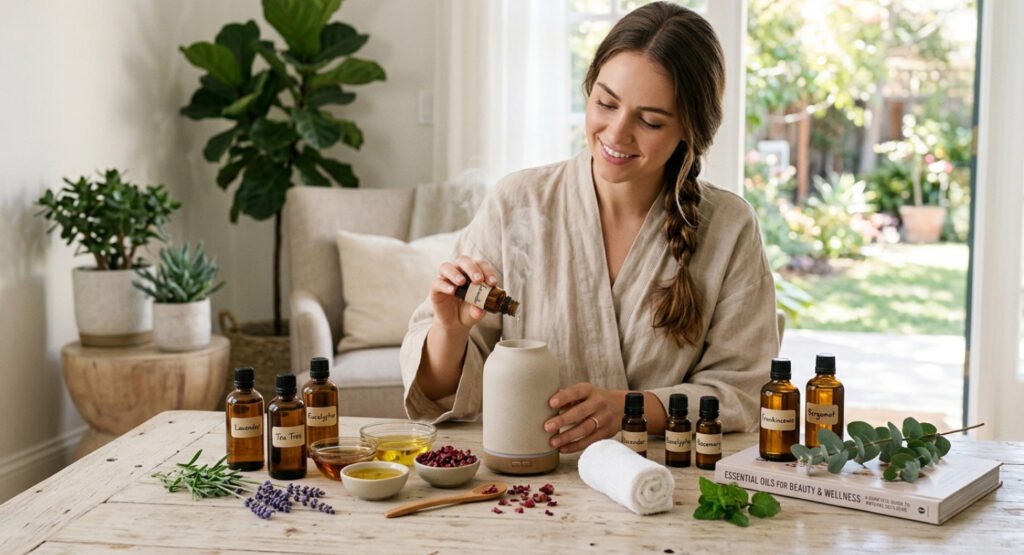
The global beauty and wellness industry is experiencing a remarkable shift as consumers increasingly seek natural, plant-based alternatives to synthetic ingredients. From luxurious skincare products and nourishing hair treatments to calming aromatherapy blends and spa experiences, essential oils for beauty & wellness have become an integral part of modern self-care. Their rich aromatic compounds and naturally occurring plant constituents make them valuable ingredients in cosmetics, personal care formulations, and wellness products.
For beauty brands, wellness companies, spas, and cosmetic manufacturers, essential oils offer more than just fragrance. They provide functional benefits that enhance product performance while meeting growing consumer demand for clean-label and naturally inspired formulations.
Whether you’re developing a premium skincare line, launching a private-label beauty brand, or simply looking to understand the role of essential oils in personal care, this comprehensive guide explores everything you need to know about essential oils for beauty & wellness, their applications, benefits, safety considerations, and why sourcing high-quality oils is essential for product success.
Essential oils are highly concentrated, aromatic plant extracts obtained from various parts of plants, including flowers, leaves, stems, bark, roots, seeds, fruits, and peels. These oils capture the plant’s natural fragrance and characteristic compounds, making them valuable ingredients in beauty, wellness, personal care, aromatherapy, and home fragrance products.
They are composed of volatile aromatic compounds that evaporate quickly and release a distinctive scent. Each essential oil has its own unique aroma and composition, which is why different oils are chosen for different cosmetic, wellness, and fragrance applications.
For centuries, civilizations around the world have used botanical extracts in traditional beauty rituals, perfumes, massage therapies, and wellness practices.
The quality and purity of an essential oil largely depend on how it is extracted. Professional manufacturers use carefully controlled processes to preserve the plant’s aromatic profile and maintain consistent quality.
The most common extraction methods include:
It’s the most widely used method for extracting essential oils. Steam passes through plant materials, causing the aromatic compounds to evaporate. The vapor is then cooled and condensed into liquid, separating the essential oil from the water.
This method is commonly used for:
Because it preserves the plant’s natural aroma and quality, steam distillation is preferred for many cosmetic and wellness applications.
Cold pressing is primarily used for citrus fruits. Instead of heat, pressure is applied to the fruit peel to release its aromatic oils.
Examples include:
Cold-pressed oils retain their fresh, vibrant citrus fragrance, making them popular in perfumes, body care products, and home fragrance collections.
Some delicate flowers cannot withstand the heat used in steam distillation. In these cases, solvent extraction is used to obtain fragrant compounds while preserving the flower’s aroma.
This technique is commonly used for flowers such as jasmine and tuberose, particularly in the luxury perfume industry.
Consumer preferences have evolved dramatically over the past decade. Modern buyers carefully examine ingredient labels, prioritize naturally derived products, and increasingly support sustainable beauty brands.
Several factors are driving this transformation:
Consumers prefer products formulated without harsh chemicals, artificial fragrances, or unnecessary additives.
Essential oils help brands create formulations aligned with clean beauty trends while adding naturally appealing aromas.
Examples include:
Beauty is no longer viewed only as appearance.
These days, consumers associate healthy skin, quality sleep, emotional balance, relaxation, and stress relief with overall wellness.
This holistic perspective has expanded the role of essential oils beyond cosmetics into:
Many beauty brands are investing in eco-conscious manufacturing practices.
Responsibly sourced essential oils support sustainability by encouraging botanical cultivation, renewable plant resources, and environmentally conscious product development.
Combined with recyclable packaging and ethical sourcing, they contribute to stronger brand credibility.
Not every essential oil performs the same function.
Each botanical extract possesses its own aromatic profile and unique properties, making it suitable for specific formulations.
Let’s explore some of the most popular choices.
Lavender remains one of the most versatile essential oils used throughout the beauty industry.
Common Applications
Lavender is valued for its calming aroma, making it a popular ingredient in nighttime skincare, relaxation products, and spa collections. Its gentle fragrance complements a wide range of cosmetic formulations.
Example:
Many luxury wellness resorts incorporate lavender-infused massage oils and pillow sprays to create a relaxing guest experience.
Tea tree oil is widely recognized for inclusion in skincare products formulated for oily and blemish-prone skin.
Common Applications
Tea tree provides a fresh, clean aroma and is commonly used in products designed to support clearer-looking skin and refreshed scalps.
Example:
Many facial cleansing products combine tea tree with aloe vera and botanical extracts to create refreshing daily cleansers.
Rosemary has become increasingly popular in premium haircare formulations.
Common Applications
Beauty brands frequently incorporate rosemary into scalp-care collections because it pairs well with nourishing carrier oils such as jojoba, argan, and sweet almond oil.
Example:
Premium botanical haircare brands often include rosemary in strengthening scalp massage oils designed for weekly haircare routines.
Frankincense has long been associated with luxury skincare.
Its warm, earthy aroma and premium positioning make it a preferred ingredient in anti-aging collections.
Common Applications
Luxury cosmetic brands often combine frankincense with rosehip oil and vitamin-rich botanical extracts for sophisticated skincare formulations.
Geranium offers a fresh floral aroma that blends beautifully with numerous cosmetic ingredients.
It is commonly found in:
Its elegant fragrance makes it particularly popular in premium personal care ranges.
Not all essential oils available in the market offer the same level of quality.
Factors influencing quality include:
Premium manufacturers invest in rigorous quality control to ensure consistent aroma, purity, and performance across every batch.
For beauty brands, using high-quality essential oils helps improve product consistency, customer satisfaction, and long-term brand reputation.
When used correctly and formulated according to cosmetic industry standards, essential oils for beauty & wellness offer multiple advantages for beauty brands and consumers alike. Their versatility makes them suitable for a wide range of personal care, spa, and wellness products.
Today’s consumers expect skincare products to do more than moisturize—they want a luxurious, sensory experience. Essential oils add natural fragrance and unique botanical properties that enhance the overall appeal of formulations.
Common applications include:
For example, lavender essential oil is often included in evening skincare collections because of its calming aroma, while frankincense is commonly used in premium facial serums to create a luxurious skincare experience.
Natural haircare products continue to gain popularity as consumers seek gentle, plant-based alternatives.
Essential oils are widely used in:
Rosemary, peppermint, and lavender are among the most commonly selected oils for premium haircare collections due to their refreshing aromas and compatibility with nourishing carrier oils.
Wellness extends beyond skincare. Many consumers incorporate aromatherapy into their daily routines to create a calming environment at home, work, or in wellness spaces.
Essential oils are frequently used in:
Hotels, luxury spas, and wellness centers often use signature essential oil blends to create a memorable customer experience.
The home fragrance market continues to grow as consumers invest in creating relaxing indoor environments.
Essential oils are widely incorporated into:
Citrus oils offer fresh, uplifting aromas, while lavender and sandalwood help create calming spaces.
Essential oils are highly concentrated and should not be applied directly to the skin in most cosmetic applications.
Popular carrier oils include:
| Carrier Oil | Common Uses |
| Jojoba Oil | Facial serums, moisturizers |
| Argan Oil | Haircare, anti-frizz products |
| Sweet Almond Oil | Massage oils, body care |
| Coconut Oil | Body butter, lip care |
| Grapeseed Oil | Lightweight facial oils |
| Rosehip Oil | Premium skincare formulations |
The right combination of essential oils and carrier oils helps brands create balanced, effective, and enjoyable products.
Although essential oils are naturally derived, they should always be handled responsibly during product development.
Beauty brands should follow these best practices:
Maintaining high manufacturing standards helps ensure product quality, consistency, and consumer confidence.
As consumer demand for natural beauty products continues to grow, partnering with an experienced manufacturer is essential.
Ashwani LLC supplies premium-quality essential oils for businesses across the beauty, wellness, personal care, and home fragrance industries.
Whether you’re launching a boutique skincare collection or expanding an established beauty business, Ashwani LLC provides the expertise and support needed to bring your vision to life.
The future of the beauty industry is increasingly shaped by sustainability, innovation, and consumer awareness.
Emerging trends include:
Consumers are seeking transparency and authenticity, encouraging brands to invest in premium botanical ingredients and responsible manufacturing.
Natural beauty is no longer a niche trend—it has become a defining direction for the global beauty and wellness industry. Essential oils for beauty & wellness have earned a central place in skincare, haircare, aromatherapy, personal care, and home fragrance products because they combine botanical authenticity with an exceptional sensory experience.
For beauty brands and businesses, choosing premium-quality essential oils is just as important as developing innovative formulations. Reliable sourcing, consistent quality, and expert manufacturing contribute to products that customers trust and enjoy.
At Ashwani LLC, we are committed to helping beauty businesses succeed through premium essential oils, customized manufacturing, private-label solutions, and trusted wholesale partnerships. Together, we can create natural beauty products that inspire confidence, support wellness, and deliver lasting value.
Essential oils for beauty & wellness are concentrated plant extracts obtained from flowers, leaves, bark, roots, or fruits. They are widely used in skincare, haircare, aromatherapy, massage products, and home fragrances to enhance self-care routines and create enjoyable sensory experiences.
Yes. Essential oils are widely incorporated into cosmetic products such as moisturizers, cleansers, serums, shampoos, conditioners, body lotions, and bath products when formulated according to industry standards.
High-quality essential oils provide better consistency, purity, fragrance, and formulation performance, helping brands create premium products and build customer trust.
Carrier oils dilute essential oils for safe use in cosmetic formulations while adding moisturizing and nourishing properties. Popular choices include jojoba, argan, sweet almond, grapeseed, coconut, and rosehip oils.
Yes. Essential oils are frequently used in shampoos, conditioners, scalp serums, hair oils, and hair masks. Popular choices such as rosemary, peppermint, and lavender are often included in premium haircare formulations alongside nourishing carrier oils.
High-quality essential oils ensure better purity, consistency, aroma, and formulation performance. Premium oils also help beauty brands maintain product quality, improve customer satisfaction, and build long-term trust in their products.
Beauty brands consider factors such as product purpose, fragrance profile, ingredient compatibility, target audience, sourcing practices, purity, and quality standards before selecting essential oils for their formulations.
Consumer demand for clean beauty, plant-based ingredients, sustainable products, and holistic self-care continues to grow. Essential oils help brands create premium beauty and wellness products that align with these evolving market trends while delivering natural aromas and enhanced customer experiences.
Yes. Many manufacturers, including Ashwani LLC, supply wholesale essential oils in bulk for skincare, haircare, personal care, home fragrance, aromatherapy, and private-label beauty products. Bulk purchasing helps businesses maintain consistent quality while supporting large-scale production.
Yes. Ashwani LLC provides premium essential oils, wholesale supply, private-label manufacturing, custom formulations, cosmetic ingredients, packaging solutions, and product development support for beauty and wellness brands across the UAE and international markets.
